
# TradingStrategiesInChoppyMarkets

2.67K
🌊 #TradingStrategiesInChoppyMarkets | Weekend Defense Mode Activated
Not every market is meant to be traded.
Sometimes, the real edge is knowing when to sit still.
🧠 Sideways Market Truth: Profit isn’t the goal — discipline is.
Choppy conditions reward patience, not activity.
⚖️ Reduce Trading Anxiety • Stop chasing every move
• Let setups come to you
• Treat inactivity as a strategic position
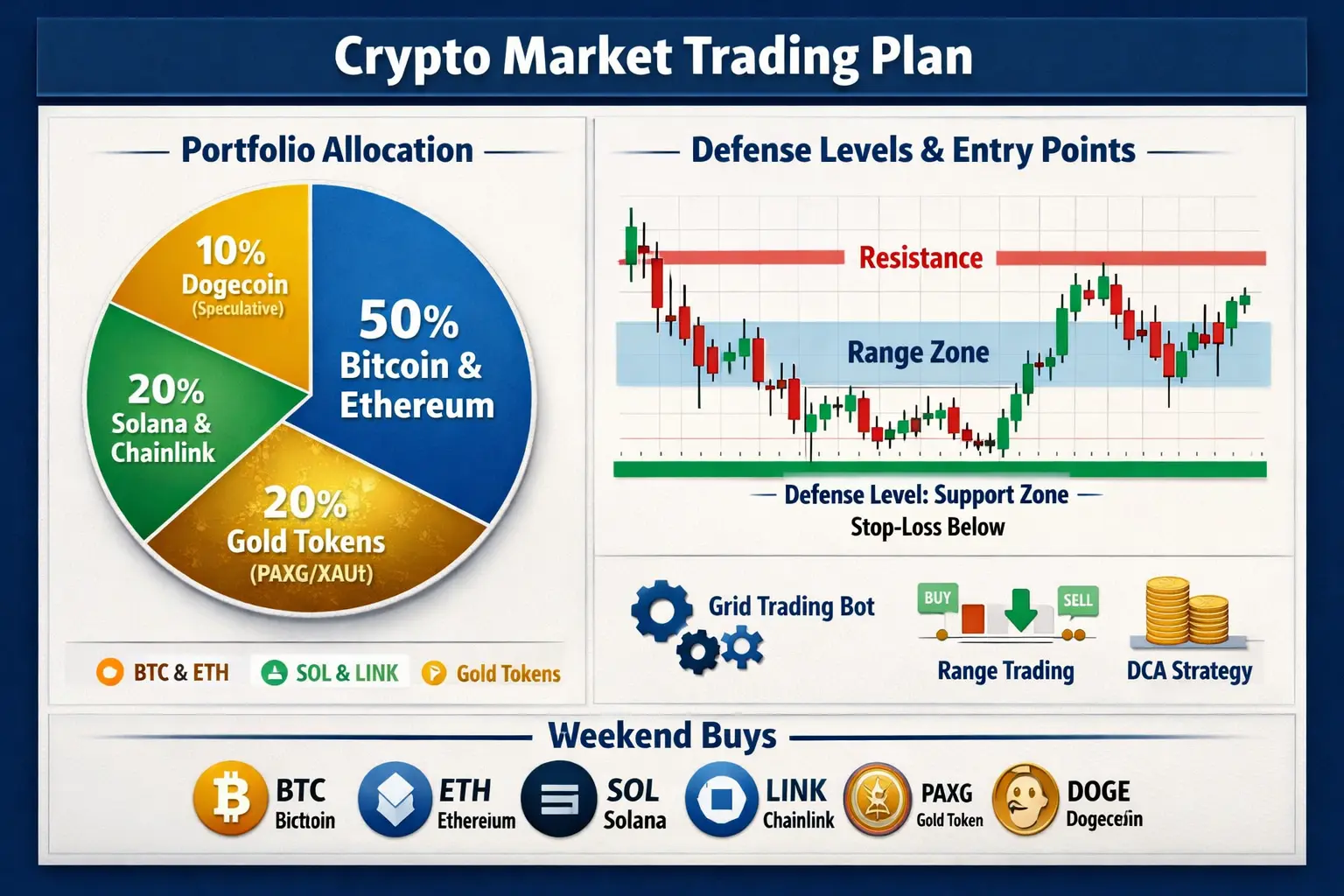
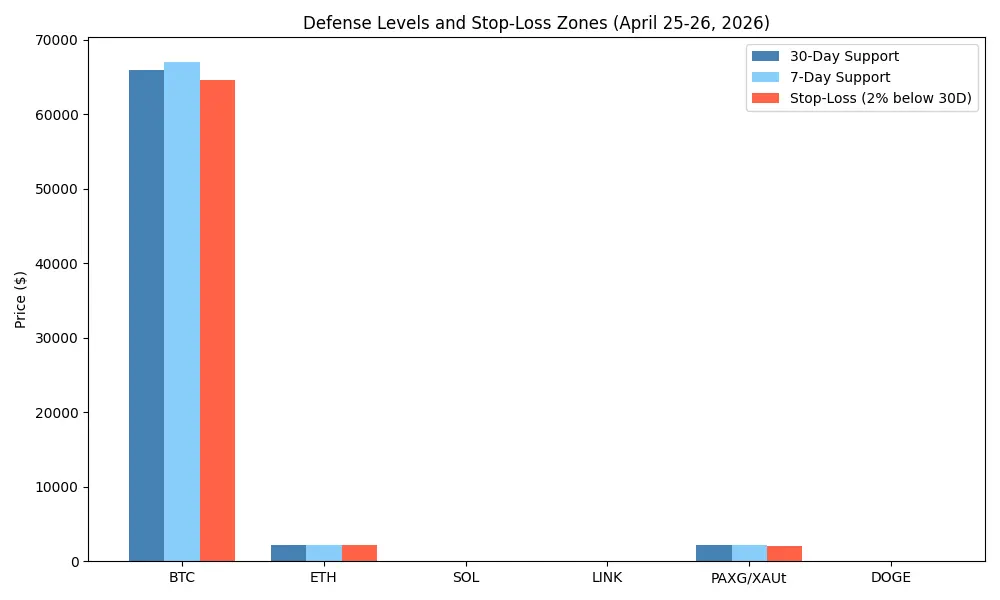
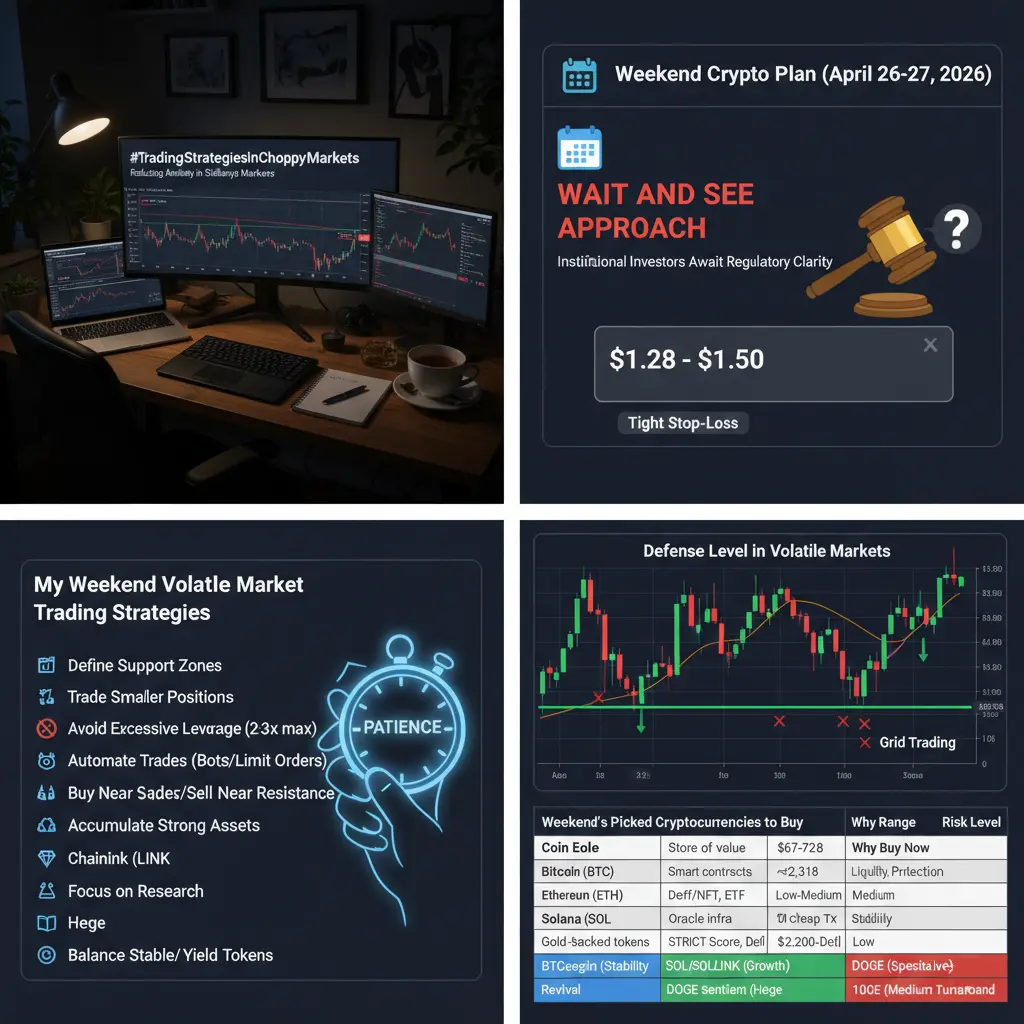
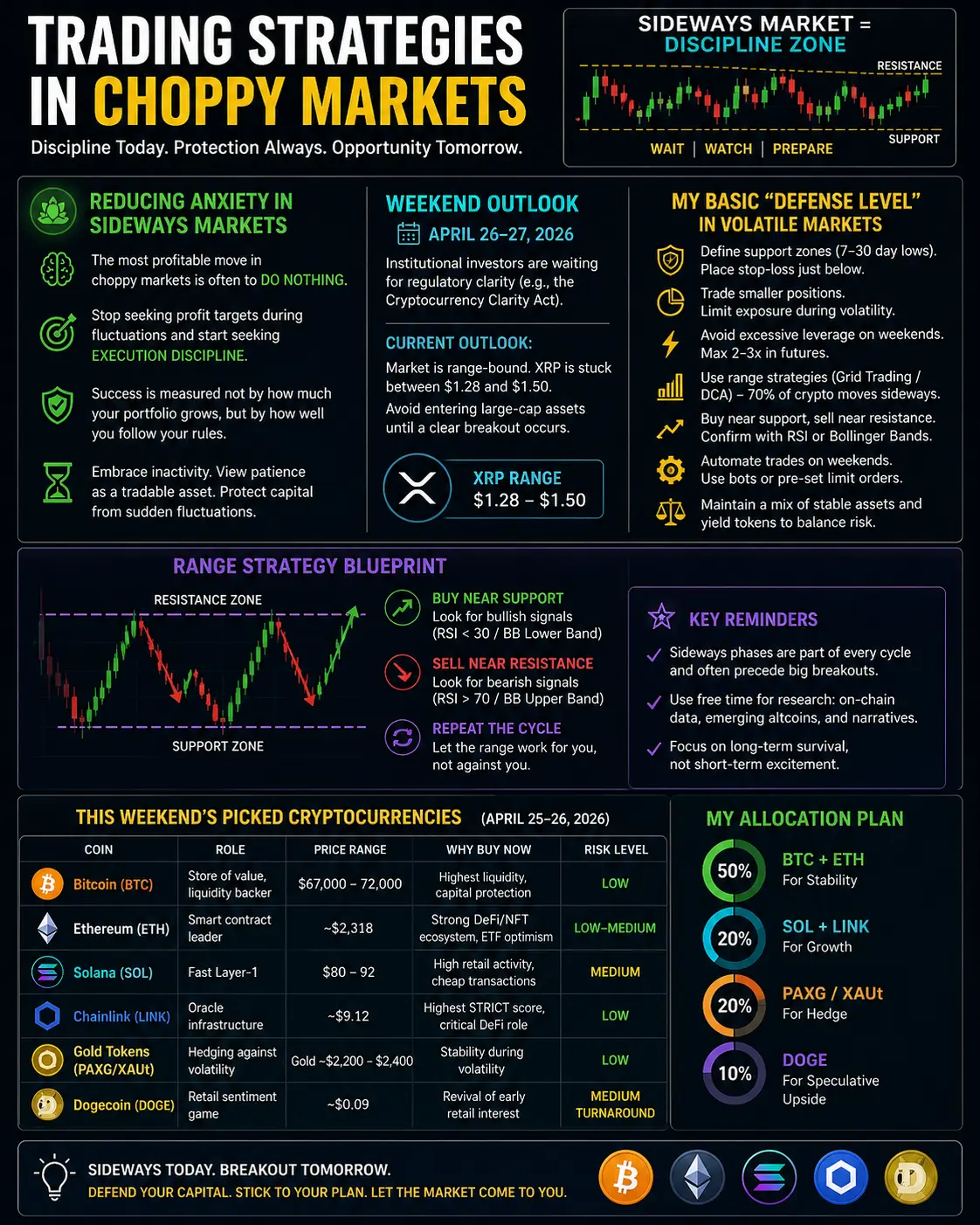
🛡️ Defense Level Strategy • Define support zones (7–30 day lows)
• Tight stop-loss just below support
• Smaller positions, controlled exposure
• Max 2–3x leverage — survival > speed
🔄 Range-Based Exe
BTC-0,15%
ETH-0,08%
SOL-0,04%
DOGE-0,87%
post-image
  • Reward
  • 3
  • Repost
  • Share
discovery:
To The Moon 🌕
View More
✨ Surviving in Volatile Markets: Strategy is the Game Itself
✨ Periods when the market is directionless and sharp up-and-down movements become frequent are the most challenging testing grounds for traders. #VolatileMarketTradingStrategy and #TradingStrategiesInChoppyMarkets require understanding these kinds of environments correctly.
✨ In these "choppy" markets, classic trend following is often misleading. Instead, shorter-term, disciplined, and reaction-based strategies come to the forefront.
✨ The main assets I follow
🔹Bitcoin
🔹Ethereum
🔹XRP
🔹Solana
🔹Chainlink
🔹GT
exhibit different b
BTC-0,15%
ETH-0,08%
XRP-0,9%
SOL-0,04%
post-image
  • Reward
  • 6
  • Repost
  • Share
BitcoinEmblems:
Spend 1 ETH on an NFT with me in the Bitcoin Emblems collection on Gate.io NFT. Thx
View More
✨ Surviving in Volatile Markets: Strategy is the Game Itself
✨ Periods when the market is directionless and sharp up-and-down movements become frequent are the most challenging testing grounds for traders. #VolatileMarketTradingStrategy and #TradingStrategiesInChoppyMarkets require understanding these kinds of environments correctly.
✨ In these "choppy" markets, classic trend following is often misleading. Instead, shorter-term, disciplined, and reaction-based strategies come to the forefront.
✨ The main assets I follow
🔹Bitcoin
🔹Ethereum
🔹XRP
🔹Solana
🔹Chainlink
🔹GT
exhibit different b
BTC-0,15%
ETH-0,08%
XRP-0,9%
SOL-0,04%
User_any
✨ Surviving in Volatile Markets: Strategy is the Game Itself
✨ Periods when the market is directionless and sharp up-and-down movements become frequent are the most challenging testing grounds for traders. #VolatileMarketTradingStrategy and #TradingStrategiesInChoppyMarkets require understanding these kinds of environments correctly.
✨ In these "choppy" markets, classic trend following is often misleading. Instead, shorter-term, disciplined, and reaction-based strategies come to the forefront.
✨ The main assets I follow
🔹Bitcoin
🔹Ethereum
🔹XRP
🔹Solana
🔹Chainlink
🔹GT
exhibit different behavioral patterns in these markets.
✨ For example, BTC and ETH are generally direction-setting, while assets like SOL and LINK tend to amplify volatility. XRP, on the other hand, can often show sudden and independent movements based on news flow.
✨ The fundamental approach that can be applied in this environment is: range trading. Clear support and resistance levels are determined, and the buy-sell cycle is repeated as long as the price remains within this range.
✨ Another critical strategy: position reduction and leverage control. In volatile markets, smaller, more flexible entries instead of large positions are crucial for protecting capital.
✨ Monitoring liquidity flow is also important. Sudden increases in volume often produce fake breakouts. Therefore, taking aggressive positions without confirmation of a breakout is risky.
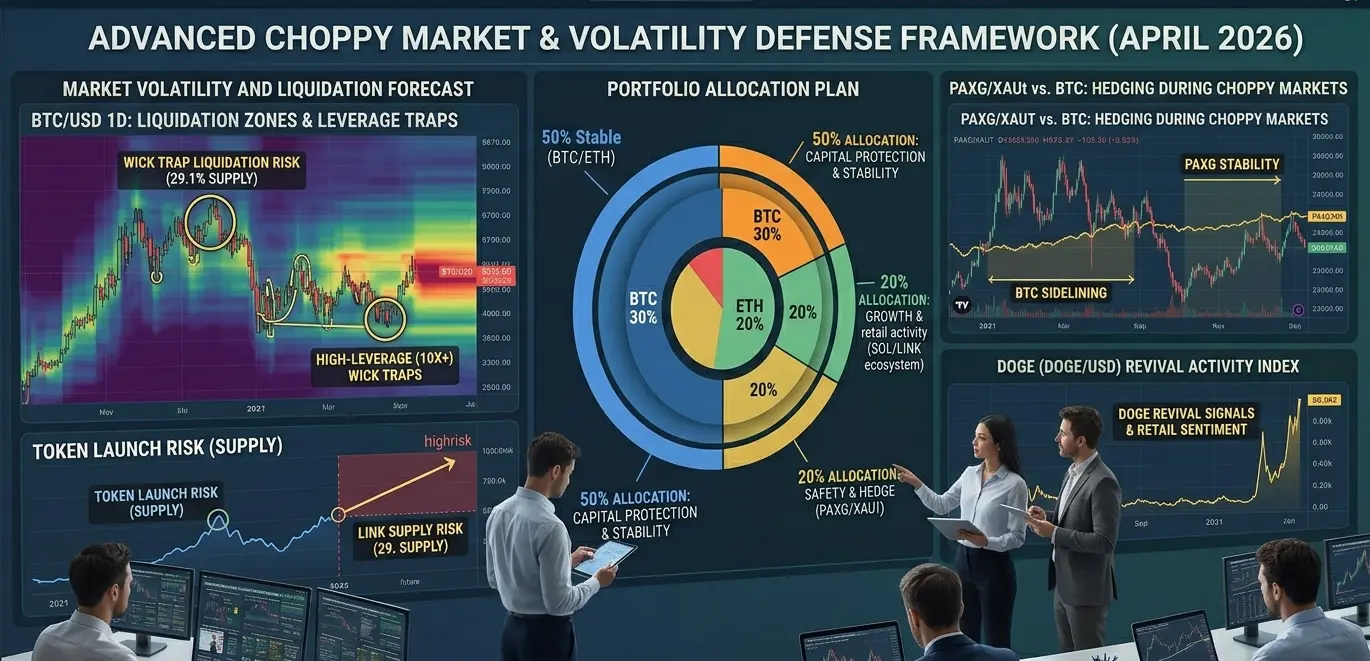
✨ Alternatively, portfolio diversification provides balance. Gold-based assets like PAX Gold and silver-based XAG/USDT pairs can stand out as hedging tools during risky periods.
✨ These types of assets can reduce portfolio volatility by behaving more stably against crypto volatility.
✨ The most critical point is psychology: In choppy markets, the biggest losses come from overtrading and impatience. Not every move needs to be traded.
✨ For a disciplined trader, these markets are an opportunity, not chaos — but only with proper risk management.
✨ In conclusion: In environments where the trend is unclear, the winners are not those who predict direction, but those who manage risk.
#Gate广场 #创作者狂欢 #内容挖矿

repost-content-media
  • Reward
  • 4
  • Repost
  • Share
CryptoDiscovery:
To The Moon 🌕
View More
#TradingStrategiesInChoppyMarkets
Reducing Anxiety in Sideways Markets
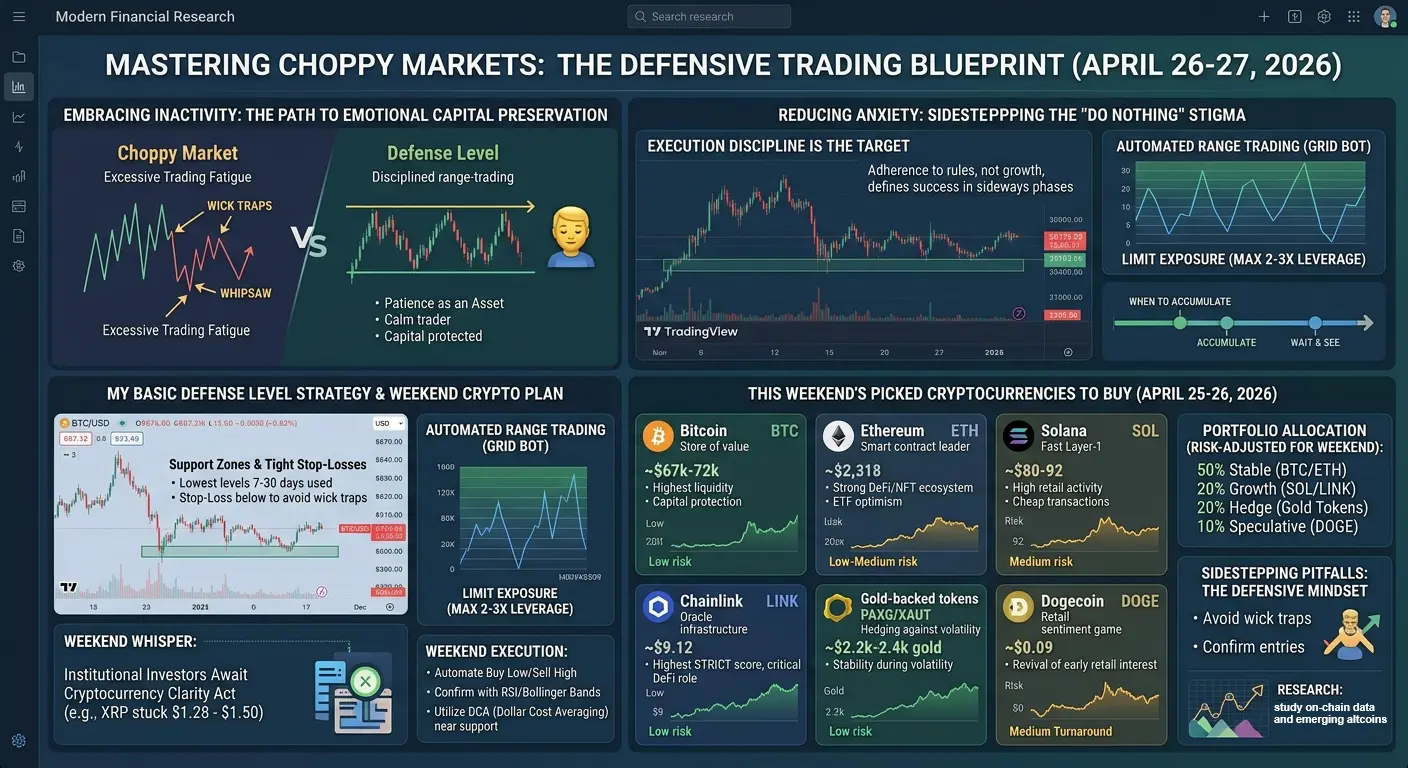
Sideways markets are a major cause of "excessive trading fatigue." When the market is sideways, the most profitable course of action is often to do nothing.
Stop seeking profit targets during market fluctuations and start seeking "execution discipline." Success in a sideways market is measured not by how much your portfolio grows, but by how well you adhere to your rules.
Embrace Inactivity: View patience as a tradable asset. By not trading, you protect your capital from the "sudden fluctuations" that can wipe out accoun
SOL-0,04%
DOGE-0,87%
PAXG-0,13%
post-image
post-image
post-image
post-image
post-image
post-image
post-image
  • Reward
  • 5
  • Repost
  • Share
ybaser:
Just charge forward 👊
View More
#TradingStrategiesInChoppyMarkets
Trading Strategies in Choppy Markets: A Comprehensive Guide to Defense, Survival, and Psychological Mastery
The cryptocurrency market is known for volatility, but sideways and choppy conditions are equally challenging. When price moves within a range, traders feel the urge to force trades, often leading to losses and mental pressure. This guide focuses on three key areas: defining defense levels, avoiding traps, and managing trading anxiety.
Understanding the Nature of Sideways Markets
Sideways markets occur when price moves between support and resistance wit
ATR-6,6%
BTC-0,15%
post-image
post-image
  • Reward
  • 2
  • Repost
  • Share
discovery:
To The Moon 🌕
View More
#TradingStrategiesInChoppyMarkets
Trading Strategies in Choppy Markets: A Comprehensive Guide to Defense, Survival, and Psychological Mastery
The cryptocurrency market is known for volatility, but sideways and choppy conditions are equally challenging. When price moves within a range, traders feel the urge to force trades, often leading to losses and mental pressure. This guide focuses on three key areas: defining defense levels, avoiding traps, and managing trading anxiety.
Understanding the Nature of Sideways Markets
Sideways markets occur when price moves between support and resistance wit
ATR-6,6%
BTC-0,15%
post-image
post-image
  • Reward
  • 3
  • Repost
  • Share
Lock_433:
To The Moon 🌕
View More
#TradingStrategiesInChoppyMarkets
Trading Strategies in Choppy Markets: A Comprehensive Guide to Defense, Survival, and Psychological Mastery
The cryptocurrency market is known for volatility, but sideways and choppy conditions are equally challenging. When price moves within a range, traders feel the urge to force trades, often leading to losses and mental pressure. This guide focuses on three key areas: defining defense levels, avoiding traps, and managing trading anxiety.
Understanding the Nature of Sideways Markets
Sideways markets occur when price moves between support and resistance wit
BTC-0,15%
ATR-6,6%
HighAmbition
#TradingStrategiesInChoppyMarkets
Trading Strategies in Choppy Markets: A Comprehensive Guide to Defense, Survival, and Psychological Mastery
The cryptocurrency market is known for volatility, but sideways and choppy conditions are equally challenging. When price moves within a range, traders feel the urge to force trades, often leading to losses and mental pressure. This guide focuses on three key areas: defining defense levels, avoiding traps, and managing trading anxiety.
Understanding the Nature of Sideways Markets
Sideways markets occur when price moves between support and resistance without a clear trend. Price action looks random, with frequent fake breakouts that trap traders. These phases often appear after strong trends or during uncertainty.
The real danger isn’t lack of movement—it’s the illusion of opportunity. Small moves look like trends, pushing traders into overtrading. Survival depends not on trading more, but on knowing when not to trade.
My Essential Defense Level in Sideways Markets
My defense strategy focuses on capital protection through three pillars:
1. Reduced Risk Exposure
In trending markets, risk per trade may be 2–3%. In choppy markets, I reduce it to 1% max, with daily exposure capped at 3%. This limits losses and forces selective trading.
2. Volatility-Based Position Sizing
Using ATR (Average True Range), I adjust position size based on volatility. If volatility increases, position size decreases. If volatility compresses, I become cautious as breakouts may follow.
3. Cooling-Off Rule
After 2 consecutive losses, I take a 2-hour break. After 3 losses, I stop trading for the day. This prevents emotional revenge trading.
Additional rules:
Minimum 3 touches on support/resistance
Volume should expand at range edges
Risk-reward must be at least 3:1
If conditions aren’t met, I skip the trade.
Avoiding Dumps and Wick Traps
One of the biggest lessons I learned is proper stop-loss placement.
Most traders place stops at obvious levels, making them easy targets. Large players often push price into these zones to collect liquidity.
My solution: Volatility Buffer Strategy
Instead of placing stops directly at support/resistance, I use ATR:
Bitcoin: 2× ATR buffer
Altcoins: 2–3× ATR buffer
This allows room for natural price movement and avoids fake wicks.
Other protection methods:
Multi-timeframe confirmation (entry + higher + lower timeframe)
Position scaling (enter in parts instead of full size)
Time-based exits (close trade if no movement in 4–8 hours)
These methods reduce unnecessary losses and improve survival.
Managing Anxiety Without Trading
The hardest part of choppy markets is not trading.
1. Reframing Mindset
I treat sideways markets as recovery periods, not missed opportunities.
2. Stay Engaged Without Risk
I use paper trading and journaling instead of real trades.
3. Physical & Mental Control
Exercise and breathing techniques help reduce stress and improve focus.
4. Process-Based Success
I measure success by discipline, not profit.
5. Pre-Planned Rules
I define clear no-trade conditions before the week starts.
6. Urge Control
Instead of reacting, I observe the urge to trade—it usually fades.
7. Productive Alternatives
Backtesting, journaling, and learning replace impulsive trading.
Final Integration
Defense, protection, and psychology work together. Smaller risk allows wider stops, reducing stop-outs and stress. Better mindset improves decision-making.
The goal in choppy markets isn’t profit—it’s survival.
Successful traders don’t trade all the time. They wait for high-probability setups and protect capital during uncertain phases.
Markets will always shift between trending and sideways conditions. Those who master both environments build long-term success.
repost-content-media
  • Reward
  • 2
  • Repost
  • Share
HighAmbition:
good 👍
View More
#CryptoMarketSeesVolatility Trading Strategies in Choppy Markets: Surviving the Weekend Range
Weekend markets often shift into a low-liquidity, sideways consolidation phase, where price action becomes less predictable and short-term volatility increases. Instead of strong trends, traders are faced with fake breakouts, sudden wicks, and rapid reversals. In this environment, survival becomes more important than aggression.
The current focus around the “Safe Harbor Plan” highlights an important shift in mindset: capital preservation over opportunity chasing.
From my perspective, choppy markets ar
post-image
post-image
  • Reward
  • 5
  • Repost
  • Share
ybaser:
Just charge forward 👊
View More
#TradingStrategiesInChoppyMarkets
$GT
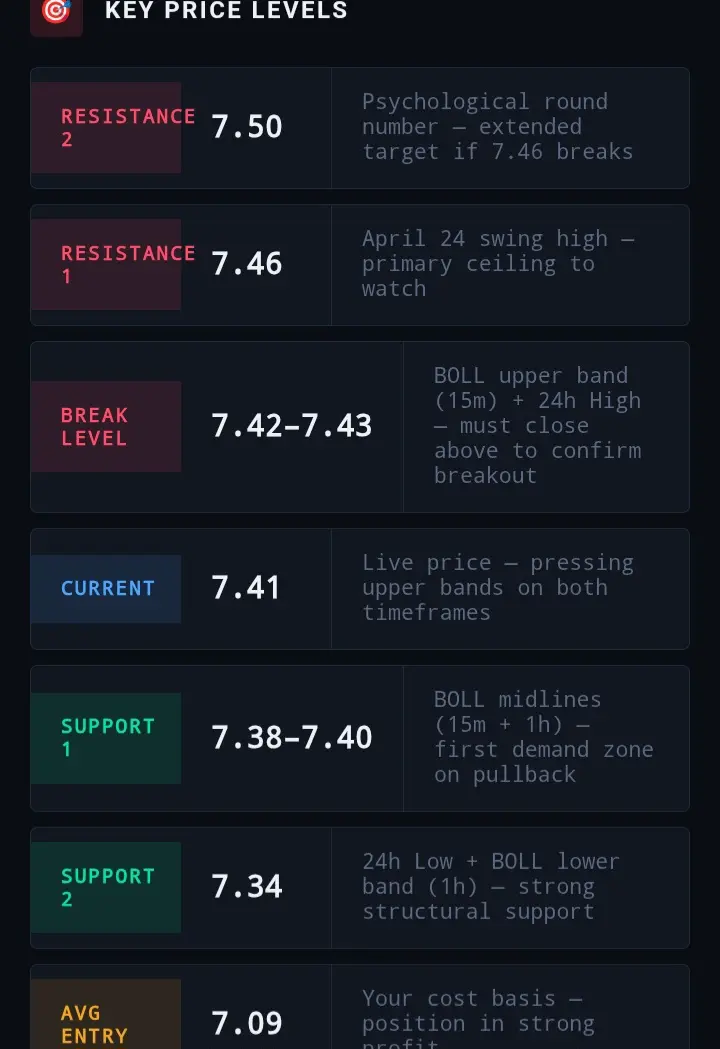
Technical Trade Plan · April 25, 2026
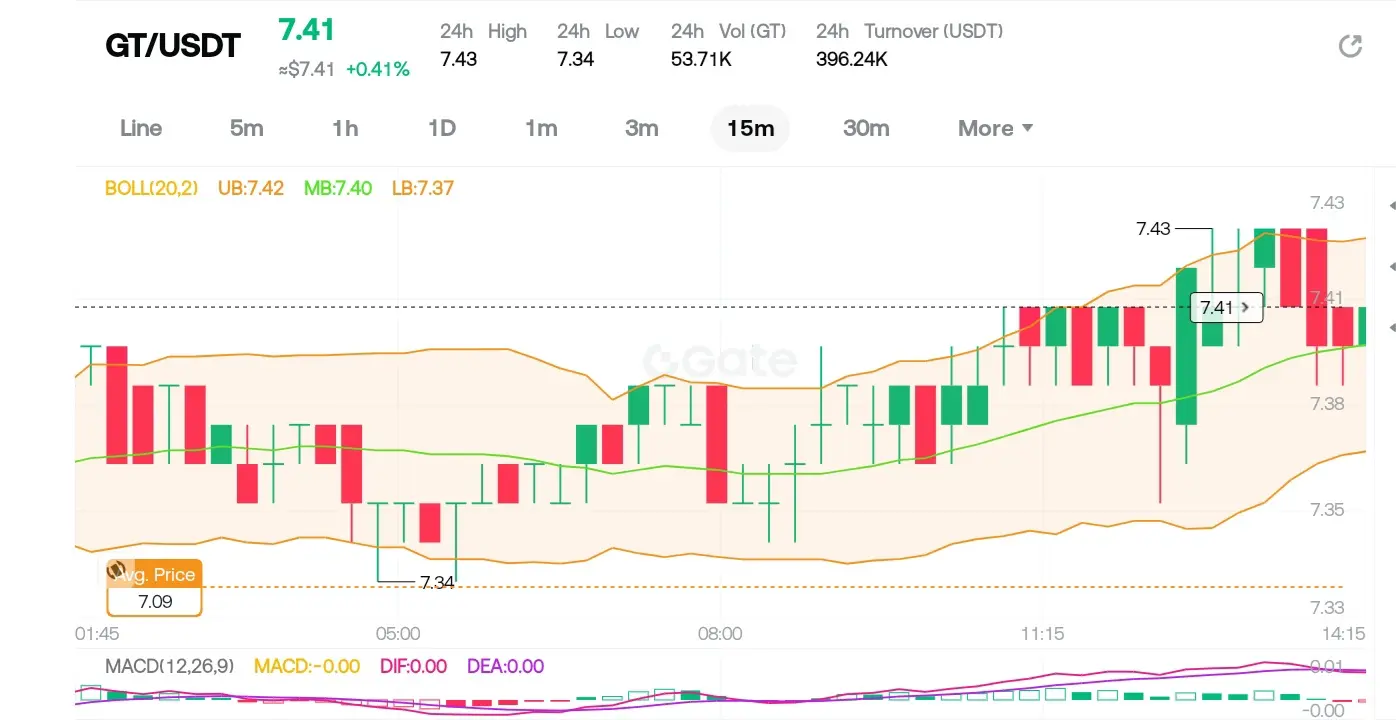
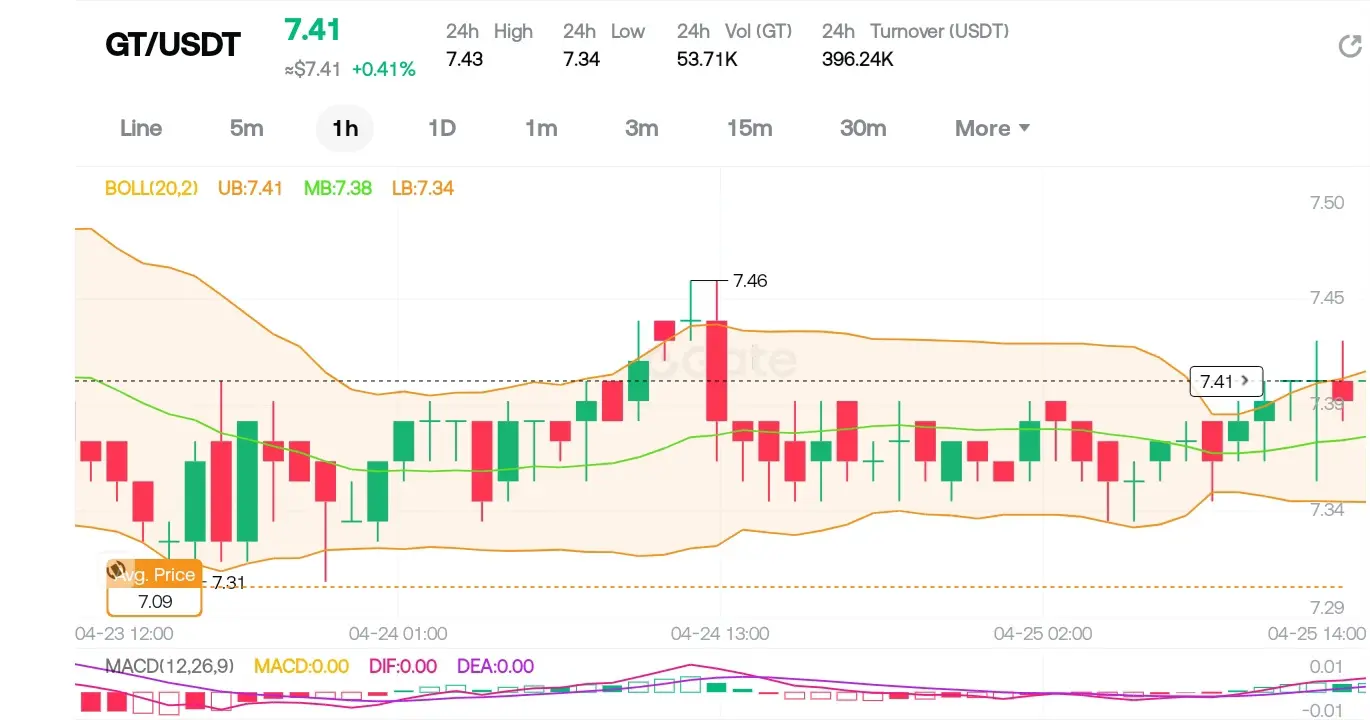
GT/USDT — Breakout or Fade?
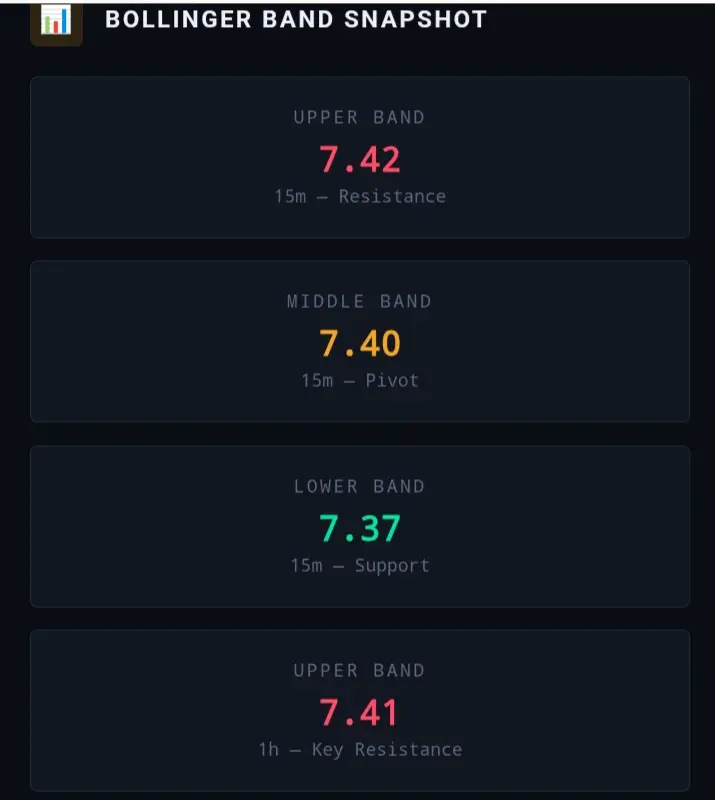
15-Minute & 1-Hour Multi-Timeframe Analysis · Gate.io · BOLL + MACD
Price
7.41
Change 24h
+0.41%
24h High
7.43
24h Low
7.34
Avg Entry
7.09
Unrealised PnL
+4.51%
⚡ Cautiously Bullish
Price pressing upper BOLL bands on both timeframes — watch for breakout or rejection
📋
Market Narrative
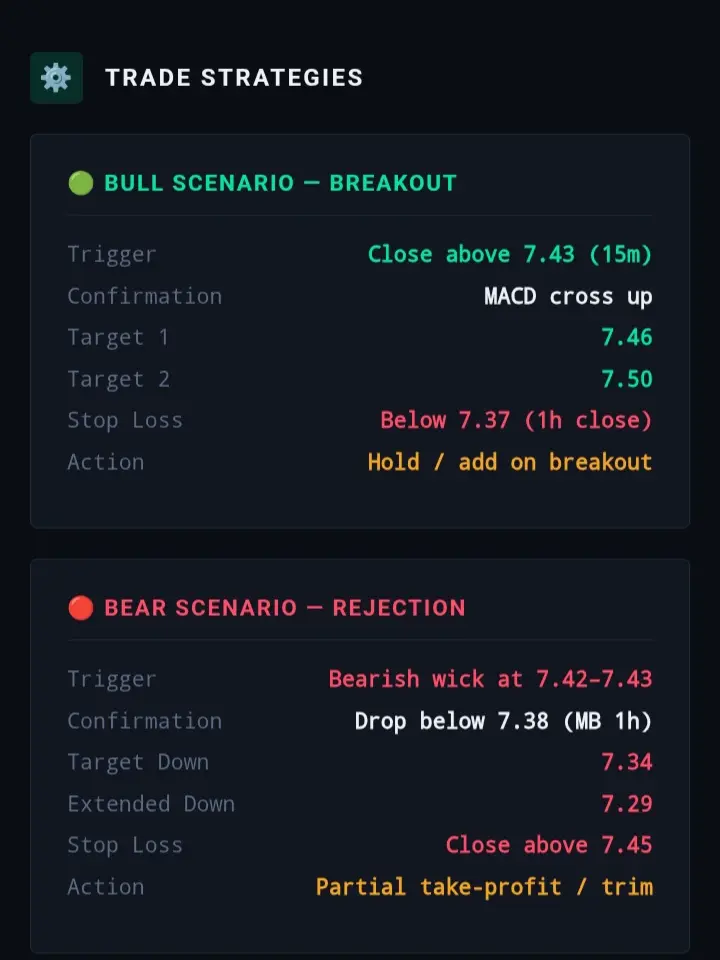
GT/USDT has staged a steady recovery from a 7.09 average entry, now sitting at 7.41 — a clean 4.5% gain. On the 1-hour chart, price briefly spiked to 7.46 on April 24 before pulling back and consolidating
GT-0,13%
post-image
post-image
post-image
post-image
post-image
post-image
  • Reward
  • 2
  • Repost
  • Share
GateUser-07485e93:
hwiwbwiwbsuwbusue e eisjekkww wiwfquwvghehw ewhwbejwjfksjwhw whwuwvwve ejdsuebebsjebw
View More
#TradingStrategiesInChoppyMarkets
Trading Strategies in Choppy Markets: A Comprehensive Guide to Defense, Survival, and Psychological Mastery
The cryptocurrency market is known for volatility, but sideways and choppy conditions are equally challenging. When price moves within a range, traders feel the urge to force trades, often leading to losses and mental pressure. This guide focuses on three key areas: defining defense levels, avoiding traps, and managing trading anxiety.
Understanding the Nature of Sideways Markets
Sideways markets occur when price moves between support and resistance wit
ATR-6,6%
BTC-0,15%
HighAmbition
#TradingStrategiesInChoppyMarkets
Trading Strategies in Choppy Markets: A Comprehensive Guide to Defense, Survival, and Psychological Mastery
The cryptocurrency market is known for volatility, but sideways and choppy conditions are equally challenging. When price moves within a range, traders feel the urge to force trades, often leading to losses and mental pressure. This guide focuses on three key areas: defining defense levels, avoiding traps, and managing trading anxiety.
Understanding the Nature of Sideways Markets
Sideways markets occur when price moves between support and resistance without a clear trend. Price action looks random, with frequent fake breakouts that trap traders. These phases often appear after strong trends or during uncertainty.
The real danger isn’t lack of movement—it’s the illusion of opportunity. Small moves look like trends, pushing traders into overtrading. Survival depends not on trading more, but on knowing when not to trade.
My Essential Defense Level in Sideways Markets
My defense strategy focuses on capital protection through three pillars:
1. Reduced Risk Exposure
In trending markets, risk per trade may be 2–3%. In choppy markets, I reduce it to 1% max, with daily exposure capped at 3%. This limits losses and forces selective trading.
2. Volatility-Based Position Sizing
Using ATR (Average True Range), I adjust position size based on volatility. If volatility increases, position size decreases. If volatility compresses, I become cautious as breakouts may follow.
3. Cooling-Off Rule
After 2 consecutive losses, I take a 2-hour break. After 3 losses, I stop trading for the day. This prevents emotional revenge trading.
Additional rules:
Minimum 3 touches on support/resistance
Volume should expand at range edges
Risk-reward must be at least 3:1
If conditions aren’t met, I skip the trade.
Avoiding Dumps and Wick Traps
One of the biggest lessons I learned is proper stop-loss placement.
Most traders place stops at obvious levels, making them easy targets. Large players often push price into these zones to collect liquidity.
My solution: Volatility Buffer Strategy
Instead of placing stops directly at support/resistance, I use ATR:
Bitcoin: 2× ATR buffer
Altcoins: 2–3× ATR buffer
This allows room for natural price movement and avoids fake wicks.
Other protection methods:
Multi-timeframe confirmation (entry + higher + lower timeframe)
Position scaling (enter in parts instead of full size)
Time-based exits (close trade if no movement in 4–8 hours)
These methods reduce unnecessary losses and improve survival.
Managing Anxiety Without Trading
The hardest part of choppy markets is not trading.
1. Reframing Mindset
I treat sideways markets as recovery periods, not missed opportunities.
2. Stay Engaged Without Risk
I use paper trading and journaling instead of real trades.
3. Physical & Mental Control
Exercise and breathing techniques help reduce stress and improve focus.
4. Process-Based Success
I measure success by discipline, not profit.
5. Pre-Planned Rules
I define clear no-trade conditions before the week starts.
6. Urge Control
Instead of reacting, I observe the urge to trade—it usually fades.
7. Productive Alternatives
Backtesting, journaling, and learning replace impulsive trading.
Final Integration
Defense, protection, and psychology work together. Smaller risk allows wider stops, reducing stop-outs and stress. Better mindset improves decision-making.
The goal in choppy markets isn’t profit—it’s survival.
Successful traders don’t trade all the time. They wait for high-probability setups and protect capital during uncertain phases.
Markets will always shift between trending and sideways conditions. Those who master both environments build long-term success.
repost-content-media
  • Reward
  • Comment
  • Repost
  • Share
Load More