#HongKongPlansNewVAGuidelines A New Era for Crypto Regulation in Asia 🚀📜
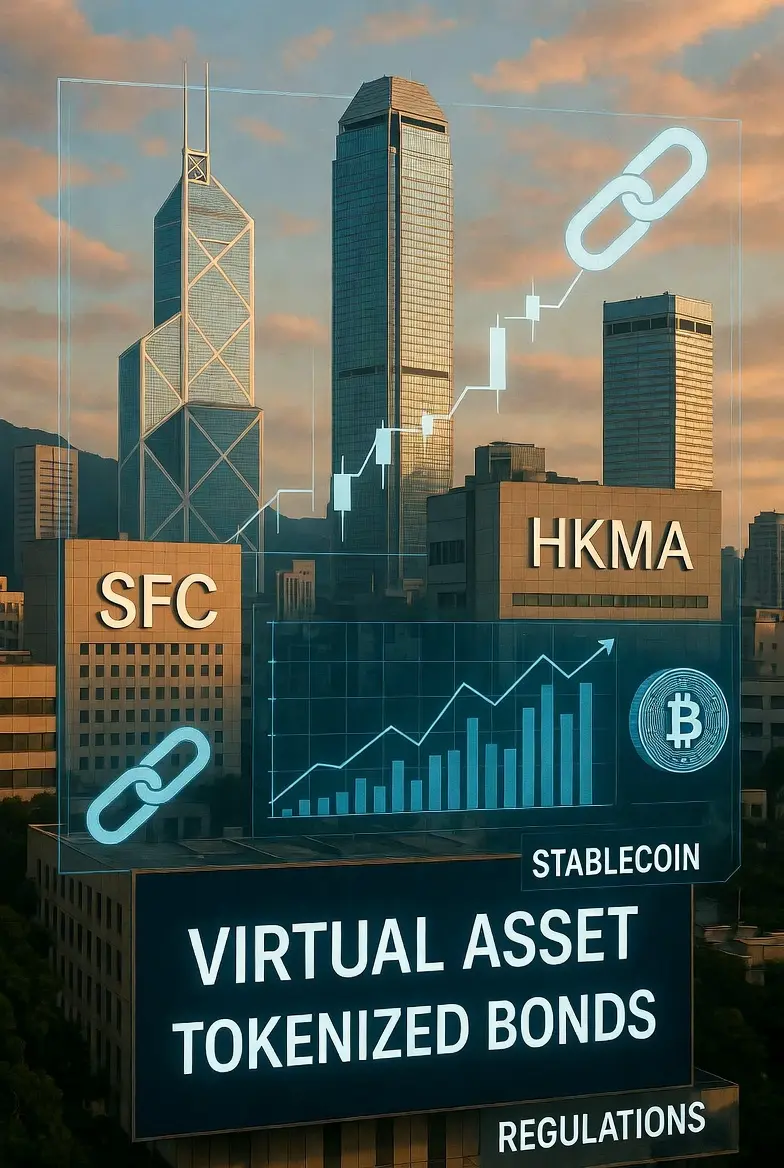
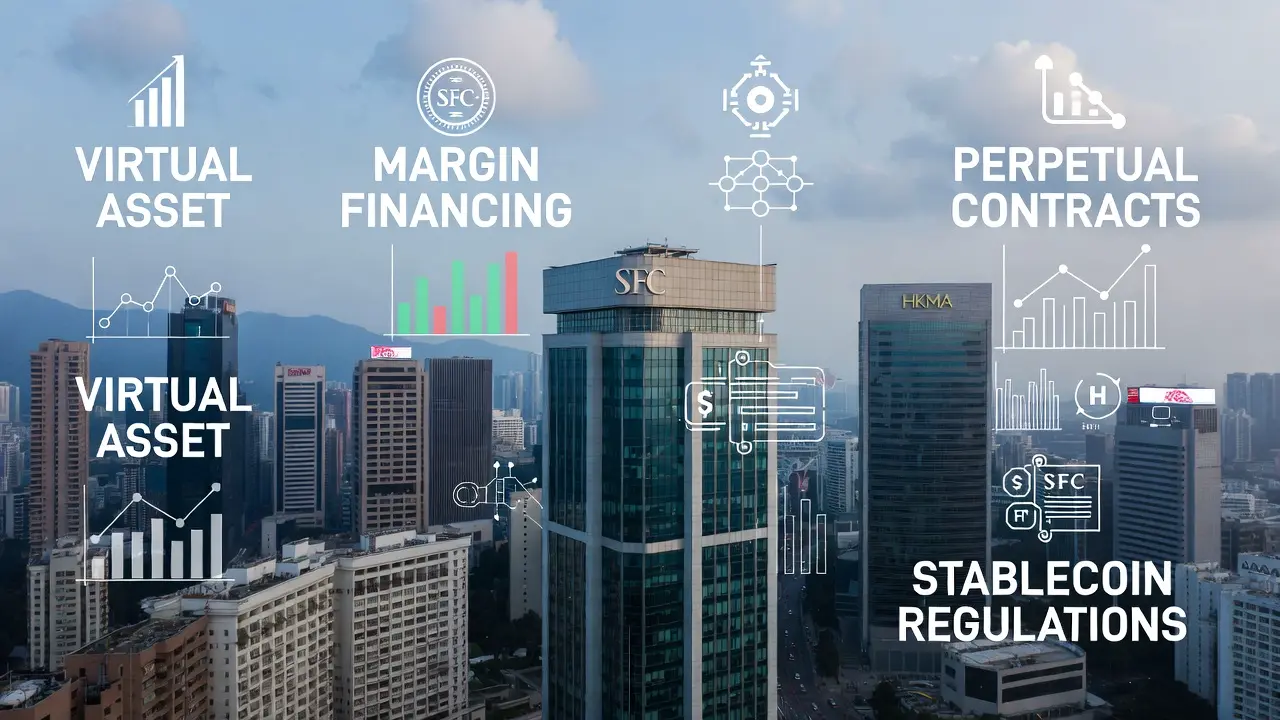
Hong Kong is preparing to introduce new regulatory guidelines for virtual assets (VAs), marking a major step in strengthening its position as a leading global financial hub. As digital assets gain wider adoption, regulators face growing pressure to balance innovation with investor protection. Through this initiative, led by the Hong Kong Securities and Futures Commission, the city aims to provide legal clarity, enhance market credibility, and attract long-term institutional capital.
These upcoming guidelines reflect Hong Kong’s ambition to build a regulated, transparent, and internationally competitive crypto ecosystem. Rather than restricting innovation, the focus is on creating structured rules that allow high-quality projects and platforms to grow sustainably.
Comprehensive Framework for Market Participants ⚙️📊
The new VA guidelines are expected to cover the full digital asset value chain, including token issuers, exchanges, custodians, and service providers. For issuers, this may involve stricter disclosure standards, regular audits, and clearer classification of token types. Exchanges will likely be required to strengthen cybersecurity, reporting systems, and compliance infrastructure.
Custodial service providers are also expected to face tighter oversight, ensuring secure storage, operational resilience, and accountability. Together, these measures aim to establish a professional and transparent environment where investors can participate with greater confidence.
Strengthening Investor Protection 🛡️💼
One of the core objectives of the new guidelines is improving investor safety. Historically, unregulated platforms, weak governance, and misleading token offerings have exposed investors to significant risks. By enforcing transparency, standardized reporting, and operational integrity, Hong Kong seeks to reduce fraud and market abuse.
This approach benefits both retail and institutional participants. Retail investors gain better protection, while institutions receive the regulatory assurance needed to deploy capital at scale.
Market Impact and Competitive Dynamics 📈🔄
The introduction of clearer rules is likely to reshape market behavior. Exchanges and projects that adapt early may gain a strong competitive advantage by attracting institutional partnerships and higher trading volumes. Compliance will increasingly become a key differentiator.
On the other hand, platforms and tokens that fail to meet regulatory standards may face delistings, restrictions, or reputational damage. Over time, this process may naturally filter out weak or speculative projects, strengthening the overall market structure.
Positioning Hong Kong as a Global Crypto Hub 🌍🏦
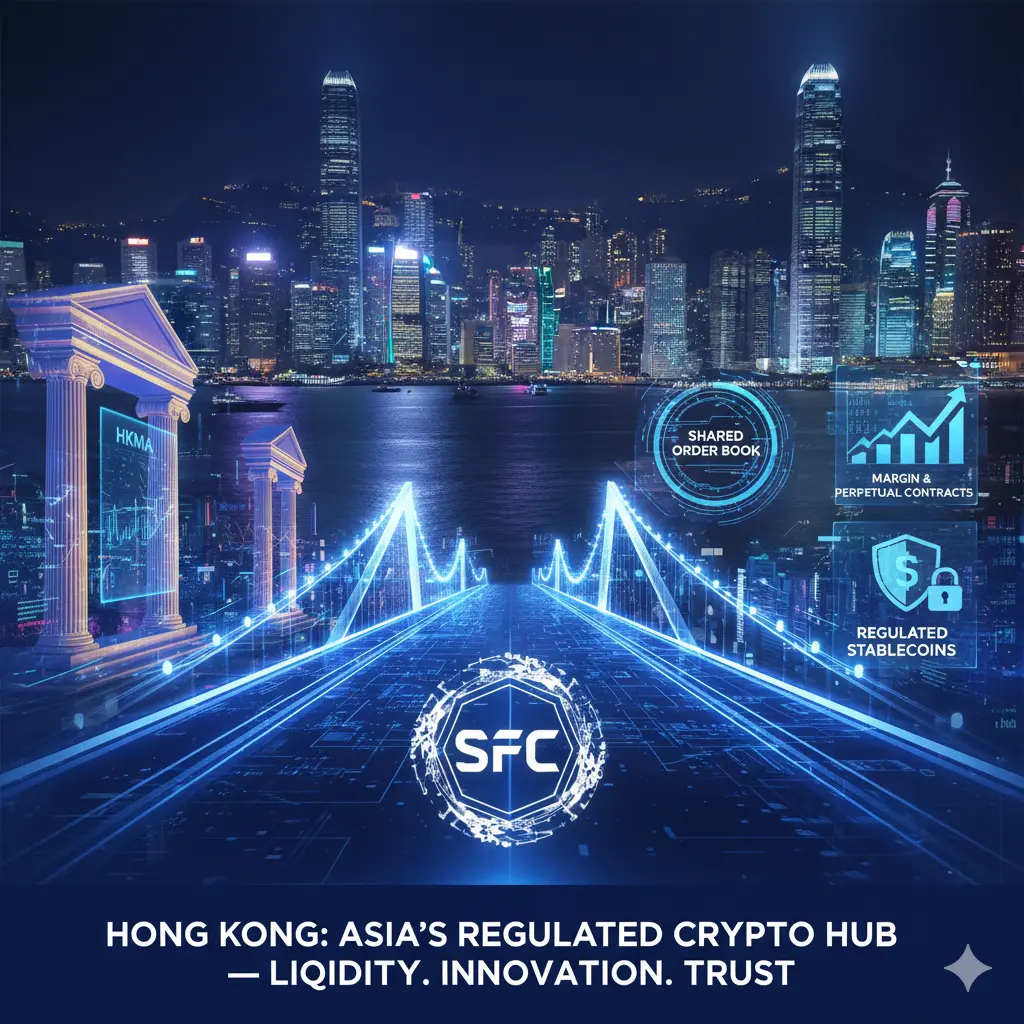
Strategically, these guidelines align with a broader global trend toward regulatory maturity in digital assets. Governments worldwide are recognizing that crypto is becoming a permanent component of modern finance. By acting early and decisively, Hong Kong is positioning itself as a regional and international gateway for compliant crypto activity.
This framework could attract:
Global exchanges
Blockchain startups
Web3 developers
Institutional investors
Digital asset funds
Such inflows would reinforce Hong Kong’s role as a bridge between traditional finance and the digital economy.
Opportunities and Challenges for Traders and Investors 🎯📉
For market participants, the new regulations bring both risks and opportunities. In the short term, volatility may increase as projects restructure and markets reprice compliance risks. Some tokens may face uncertainty during the transition phase.
However, in the long term, compliant projects are likely to benefit from improved liquidity, stronger investor confidence, and broader adoption. Traders and investors who identify regulation-aligned projects early may gain strategic advantages.
Driving Higher Standards of Innovation 🔐🤖
Beyond compliance, the guidelines may also encourage technological and governance improvements. Projects may be incentivized to develop more secure smart contracts, transparent tokenomics, and verifiable governance systems. Exchanges are likely to invest more in cybersecurity, risk management, and system resilience.
These upgrades can raise the overall quality of the ecosystem, making Hong Kong’s crypto market more mature, reliable, and globally competitive.
Final Takeaway ✨
#HongKongPlansNewVAGuidelines represents a major milestone in Asia’s crypto regulatory evolution. By combining investor protection, legal clarity, and innovation support, Hong Kong is laying the foundation for a sustainable and institution-friendly digital asset market.
While short-term adjustments may create uncertainty, the long-term impact is likely to be positive—attracting higher-quality projects, strengthening market trust, and reinforcing Hong Kong’s leadership in regulated crypto finance.
For investors, builders, and institutions, the message is clear: stay informed, prioritize compliance, and position strategically for a more transparent and mature digital asset future.
Hong Kong is preparing to introduce new regulatory guidelines for virtual assets (VAs), marking a major step in strengthening its position as a leading global financial hub. As digital assets gain wider adoption, regulators face growing pressure to balance innovation with investor protection. Through this initiative, led by the Hong Kong Securities and Futures Commission, the city aims to provide legal clarity, enhance market credibility, and attract long-term institutional capital.
These upcoming guidelines reflect Hong Kong’s ambition to build a regulated, transparent, and internationally competitive crypto ecosystem. Rather than restricting innovation, the focus is on creating structured rules that allow high-quality projects and platforms to grow sustainably.
Comprehensive Framework for Market Participants ⚙️📊
The new VA guidelines are expected to cover the full digital asset value chain, including token issuers, exchanges, custodians, and service providers. For issuers, this may involve stricter disclosure standards, regular audits, and clearer classification of token types. Exchanges will likely be required to strengthen cybersecurity, reporting systems, and compliance infrastructure.
Custodial service providers are also expected to face tighter oversight, ensuring secure storage, operational resilience, and accountability. Together, these measures aim to establish a professional and transparent environment where investors can participate with greater confidence.
Strengthening Investor Protection 🛡️💼
One of the core objectives of the new guidelines is improving investor safety. Historically, unregulated platforms, weak governance, and misleading token offerings have exposed investors to significant risks. By enforcing transparency, standardized reporting, and operational integrity, Hong Kong seeks to reduce fraud and market abuse.
This approach benefits both retail and institutional participants. Retail investors gain better protection, while institutions receive the regulatory assurance needed to deploy capital at scale.
Market Impact and Competitive Dynamics 📈🔄
The introduction of clearer rules is likely to reshape market behavior. Exchanges and projects that adapt early may gain a strong competitive advantage by attracting institutional partnerships and higher trading volumes. Compliance will increasingly become a key differentiator.
On the other hand, platforms and tokens that fail to meet regulatory standards may face delistings, restrictions, or reputational damage. Over time, this process may naturally filter out weak or speculative projects, strengthening the overall market structure.
Positioning Hong Kong as a Global Crypto Hub 🌍🏦
Strategically, these guidelines align with a broader global trend toward regulatory maturity in digital assets. Governments worldwide are recognizing that crypto is becoming a permanent component of modern finance. By acting early and decisively, Hong Kong is positioning itself as a regional and international gateway for compliant crypto activity.
This framework could attract:
Global exchanges
Blockchain startups
Web3 developers
Institutional investors
Digital asset funds
Such inflows would reinforce Hong Kong’s role as a bridge between traditional finance and the digital economy.
Opportunities and Challenges for Traders and Investors 🎯📉
For market participants, the new regulations bring both risks and opportunities. In the short term, volatility may increase as projects restructure and markets reprice compliance risks. Some tokens may face uncertainty during the transition phase.
However, in the long term, compliant projects are likely to benefit from improved liquidity, stronger investor confidence, and broader adoption. Traders and investors who identify regulation-aligned projects early may gain strategic advantages.
Driving Higher Standards of Innovation 🔐🤖
Beyond compliance, the guidelines may also encourage technological and governance improvements. Projects may be incentivized to develop more secure smart contracts, transparent tokenomics, and verifiable governance systems. Exchanges are likely to invest more in cybersecurity, risk management, and system resilience.
These upgrades can raise the overall quality of the ecosystem, making Hong Kong’s crypto market more mature, reliable, and globally competitive.
Final Takeaway ✨
#HongKongPlansNewVAGuidelines represents a major milestone in Asia’s crypto regulatory evolution. By combining investor protection, legal clarity, and innovation support, Hong Kong is laying the foundation for a sustainable and institution-friendly digital asset market.
While short-term adjustments may create uncertainty, the long-term impact is likely to be positive—attracting higher-quality projects, strengthening market trust, and reinforcing Hong Kong’s leadership in regulated crypto finance.
For investors, builders, and institutions, the message is clear: stay informed, prioritize compliance, and position strategically for a more transparent and mature digital asset future.





 :
: