












 :
:


Iran War Leads to Record Rise in Geopolitical Risk Premium, Current Level 31.05
The CBOE Volatility Index (VIX) reached 31.05 at the close of March 27, 2026, showing a 13.16% increase in the last 24 hours, rising 3.61 points from 27.44. This movement tested an intraday high of 31.65 while the low was 27.54. The VIX index has thus climbed approximately 40% since the start of the Iran war in late February, yielding a return of over 132% from its December 2025 low of 13.38.
Geopolitical Triggers and Oil Shock
The main driver of the VIX rise was the Iran war putting 20% of the world's oil supply at risk via the Strait of Hormuz. Brent oil rising to the $100 range fueled fears of stagflation and rapidly increased the implied 30-day volatility in S&P 500 options. Analysts argue that the VIX remains "low" due to the Iran conflict; institutions like Slatestone Wealth comment that "the VIX should rise to the 40-50 range," while fears of supply disruptions caused by tanker attacks have unsettled the markets.
Historical Comparison and Recent Trends
- March 26, 2026: 27.44
- March 25, 2026: 25.33
- March 24, 2026: 26.95
- Average at the beginning of March: 24-26 range
The VIX has achieved a 58.45% monthly return in the last month, while rising 109.02% since the beginning of the year. While these levels don't approach the peaks of the 2022 Ukraine war and the 2020 Covid surge, they represent a sharp divergence from the low volatility period of 2025 (range 13-18). According to FRED data, the index, which was trading at 27.44 as of March 26th, reached a three-month high with the jump the following day.
Technical and Term Structure Assessment
The VIX exceeding the psychological threshold of 30 signals a "high volatility regime." The RSI is in a strong buying zone at 67.67 over the 14-day period, but also carries an overbought warning. It is noted that the contango structure in VIX futures contracts is narrowing, and backwardation signs are seen in places; this indicates that short-term fear is higher than long-term expectations. Market participants are adjusting their hedging strategies by monitoring the VIX futures curve.
Market Impacts and Investor Strategies
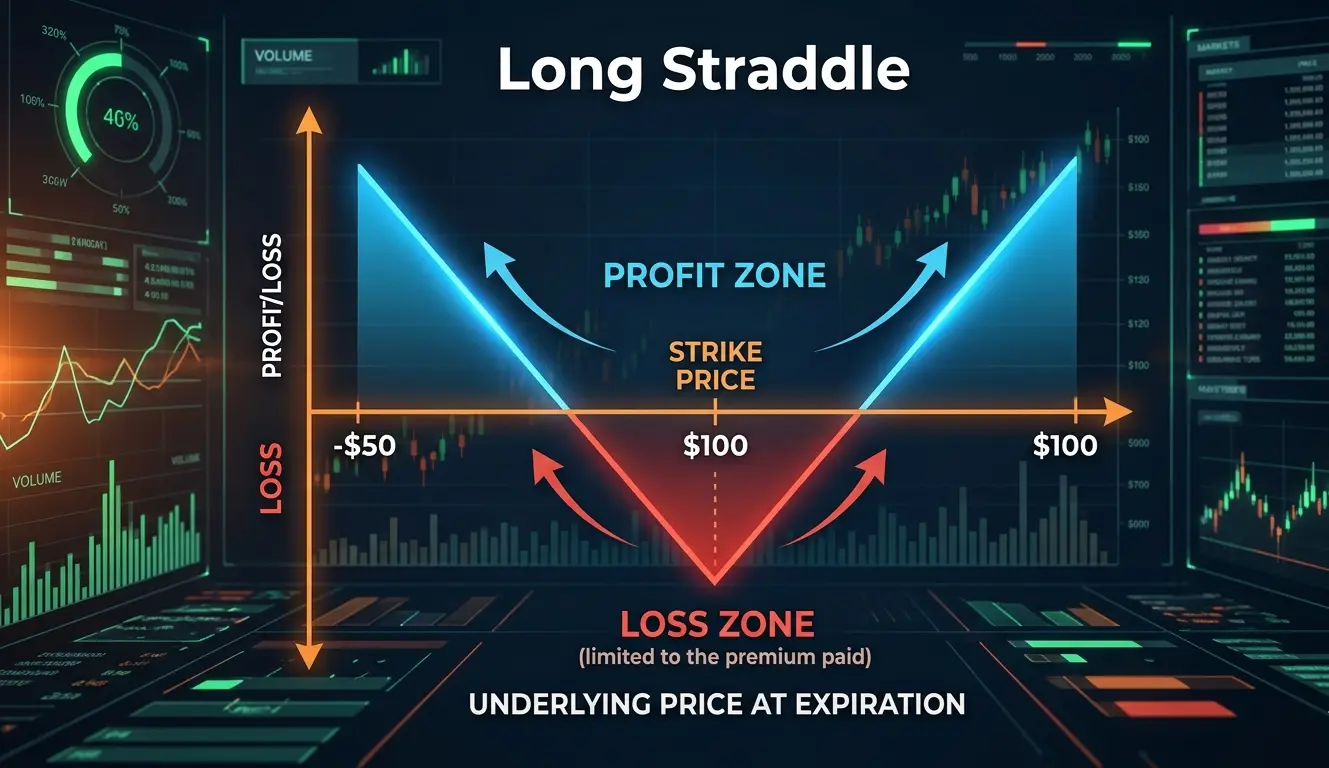
The rise of the VIX to 31 parallels the record capital outflow of $52 billion from Asia and deepens the risk-off environment. Analysts recommend a rotation towards the defense and energy sectors in this environment, emphasizing that option strategies like Iron Condor or Straddle become more attractive at VIX levels above 30. However, prolonged uncertainty regarding Iran maintains the potential for the VIX to rise to the 40+ band; short-term ceasefire news could lead to rapid pullbacks.
The VIX index reflects the peak of the geopolitical risk premium at 31.05 as of March 28, 2026. The disruption of oil supply and increased concerns about global growth due to the Iran conflict have structurally driven volatility upwards. In the short term, traffic in the Strait of Hormuz and Trump's ceasefire negotiations are the main catalysts, while in the long term, a drop in oil prices below $90 could pull the VIX down to the 20-25 band. Investors should keep stop-loss levels tight with the ATR indicator and review their portfolio hedges at VIX levels above 35. Current data shows that the fear index has not yet peaked, but each new geopolitical news item could create a 3-5 point movement.
#RangeTradingStrategy
The CBOE Volatility Index (VIX) reached 31.05 at the close of March 27, 2026, showing a 13.16% increase in the last 24 hours, rising 3.61 points from 27.44. This movement tested an intraday high of 31.65 while the low was 27.54. The VIX index has thus climbed approximately 40% since the start of the Iran war in late February, yielding a return of over 132% from its December 2025 low of 13.38.
Geopolitical Triggers and Oil Shock
The main driver of the VIX rise was the Iran war putting 20% of the world's oil supply at risk via the Strait of Hormuz. Brent oil rising to the $100 range fueled fears of stagflation and rapidly increased the implied 30-day volatility in S&P 500 options. Analysts argue that the VIX remains "low" due to the Iran conflict; institutions like Slatestone Wealth comment that "the VIX should rise to the 40-50 range," while fears of supply disruptions caused by tanker attacks have unsettled the markets.
Historical Comparison and Recent Trends
- March 26, 2026: 27.44
- March 25, 2026: 25.33
- March 24, 2026: 26.95
- Average at the beginning of March: 24-26 range
The VIX has achieved a 58.45% monthly return in the last month, while rising 109.02% since the beginning of the year. While these levels don't approach the peaks of the 2022 Ukraine war and the 2020 Covid surge, they represent a sharp divergence from the low volatility period of 2025 (range 13-18). According to FRED data, the index, which was trading at 27.44 as of March 26th, reached a three-month high with the jump the following day.
Technical and Term Structure Assessment
The VIX exceeding the psychological threshold of 30 signals a "high volatility regime." The RSI is in a strong buying zone at 67.67 over the 14-day period, but also carries an overbought warning. It is noted that the contango structure in VIX futures contracts is narrowing, and backwardation signs are seen in places; this indicates that short-term fear is higher than long-term expectations. Market participants are adjusting their hedging strategies by monitoring the VIX futures curve.
Market Impacts and Investor Strategies
The rise of the VIX to 31 parallels the record capital outflow of $52 billion from Asia and deepens the risk-off environment. Analysts recommend a rotation towards the defense and energy sectors in this environment, emphasizing that option strategies like Iron Condor or Straddle become more attractive at VIX levels above 30. However, prolonged uncertainty regarding Iran maintains the potential for the VIX to rise to the 40+ band; short-term ceasefire news could lead to rapid pullbacks.
The VIX index reflects the peak of the geopolitical risk premium at 31.05 as of March 28, 2026. The disruption of oil supply and increased concerns about global growth due to the Iran conflict have structurally driven volatility upwards. In the short term, traffic in the Strait of Hormuz and Trump's ceasefire negotiations are the main catalysts, while in the long term, a drop in oil prices below $90 could pull the VIX down to the 20-25 band. Investors should keep stop-loss levels tight with the ATR indicator and review their portfolio hedges at VIX levels above 35. Current data shows that the fear index has not yet peaked, but each new geopolitical news item could create a 3-5 point movement.
#RangeTradingStrategy

 :
: