


Futures
Access hundreds of perpetual contracts
TradFi
Gold
One platform for global traditional assets
Options
Hot
Trade European-style vanilla options
Unified Account
Maximize your capital efficiency
Demo Trading
Introduction to Futures Trading
Learn the basics of futures trading
Futures Events
Join events to earn rewards
Demo Trading
Use virtual funds to practice risk-free trading
Launch
CandyDrop
Collect candies to earn airdrops
Launchpool
Quick staking, earn potential new tokens
HODLer Airdrop
Hold GT and get massive airdrops for free
Launchpad
Be early to the next big token project
Alpha Points
Trade on-chain assets and earn airdrops
Futures Points
Earn futures points and claim airdrop rewards


More




#AAVETokenSwapControversy
The recent controversy surrounding AAVE’s token swap has drawn significant attention from both retail investors and institutional participants in the crypto ecosystem. The situation revolves around AAVE’s proposal to implement a token swap mechanism that would migrate existing AAVE tokens to a new framework, aiming to optimize governance efficiency and network utility. While the initiative is technically sound and aligns with the project’s long-term roadmap, it has raised concerns about transparency, community consent, and the potential market impact on token holders.
AAVE, being one of the leading decentralized finance (DeFi) platforms, has always emphasized decentralized governance, risk management, and community participation. The token swap, in theory, is intended to improve governance mechanisms by introducing updated staking parameters, optimized incentives for liquidity providers, and enhanced security measures. However, some members of the community have expressed concerns that the swap process was not communicated clearly enough, creating uncertainty about token distribution, eligibility criteria, and potential dilution of holdings.
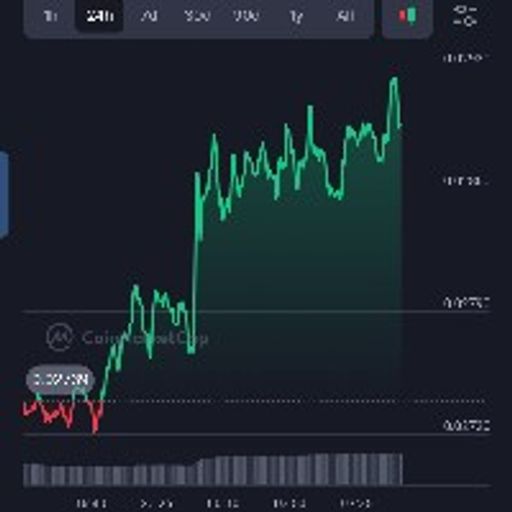
From a market perspective, this controversy has had a tangible impact on price behavior. Following the initial announcement, AAVE’s token price experienced heightened volatility as traders reacted to the news. Some investors were quick to sell, fearing short-term losses or reduced governance influence, while others saw the swap as an opportunity to participate in an upgraded network structure. Such divergent sentiment is typical during governance-related events in DeFi ecosystems, where uncertainty and speculation can temporarily overshadow fundamentals.
Analyzing the situation from a broader DeFi perspective, token swaps and protocol upgrades are critical for long-term sustainability. They allow platforms like AAVE to implement lessons learned from prior network performance, address vulnerabilities, and introduce features that strengthen economic incentives for liquidity providers. However, these processes require clear communication, community buy-in, and transparent timelines to prevent misunderstandings that can lead to unnecessary panic selling.
In my observation, the controversy also highlights a recurring challenge in DeFi governance: balancing technical innovation with decentralized consensus. While the development team may have a clear vision for improving protocol efficiency, stakeholders need adequate time and information to evaluate the implications of such changes. Without this, even well-intentioned upgrades can generate backlash and negatively impact market sentiment.
From a trading and investment standpoint, this event underscores the importance of closely monitoring governance proposals, understanding tokenomics, and evaluating risk before participating in token swaps. Investors should examine not only the technical details of the swap but also its economic and governance implications. For example, changes to staking rewards, voting power, or liquidity incentives can materially affect both short-term price dynamics and long-term asset value.
Looking ahead, the resolution of the AAVE token swap controversy will likely set a precedent for future governance processes in DeFi. If handled transparently and efficiently, it could strengthen community trust and reinforce AAVE’s position as a leading DeFi protocol. Conversely, mishandling or prolonged uncertainty could erode confidence, creating volatility in token price and user participation.
In conclusion, the AAVE token swap controversy is a reminder that innovation in decentralized finance is inherently intertwined with governance dynamics. While the technical benefits of the swap are significant, the community’s perception, market reactions, and clarity of execution will ultimately determine the overall success of the initiative. For stakeholders, this event highlights the need for informed participation, risk assessment, and a long-term perspective when engaging with protocol upgrades in the rapidly evolving DeFi ecosystem.