 :
:






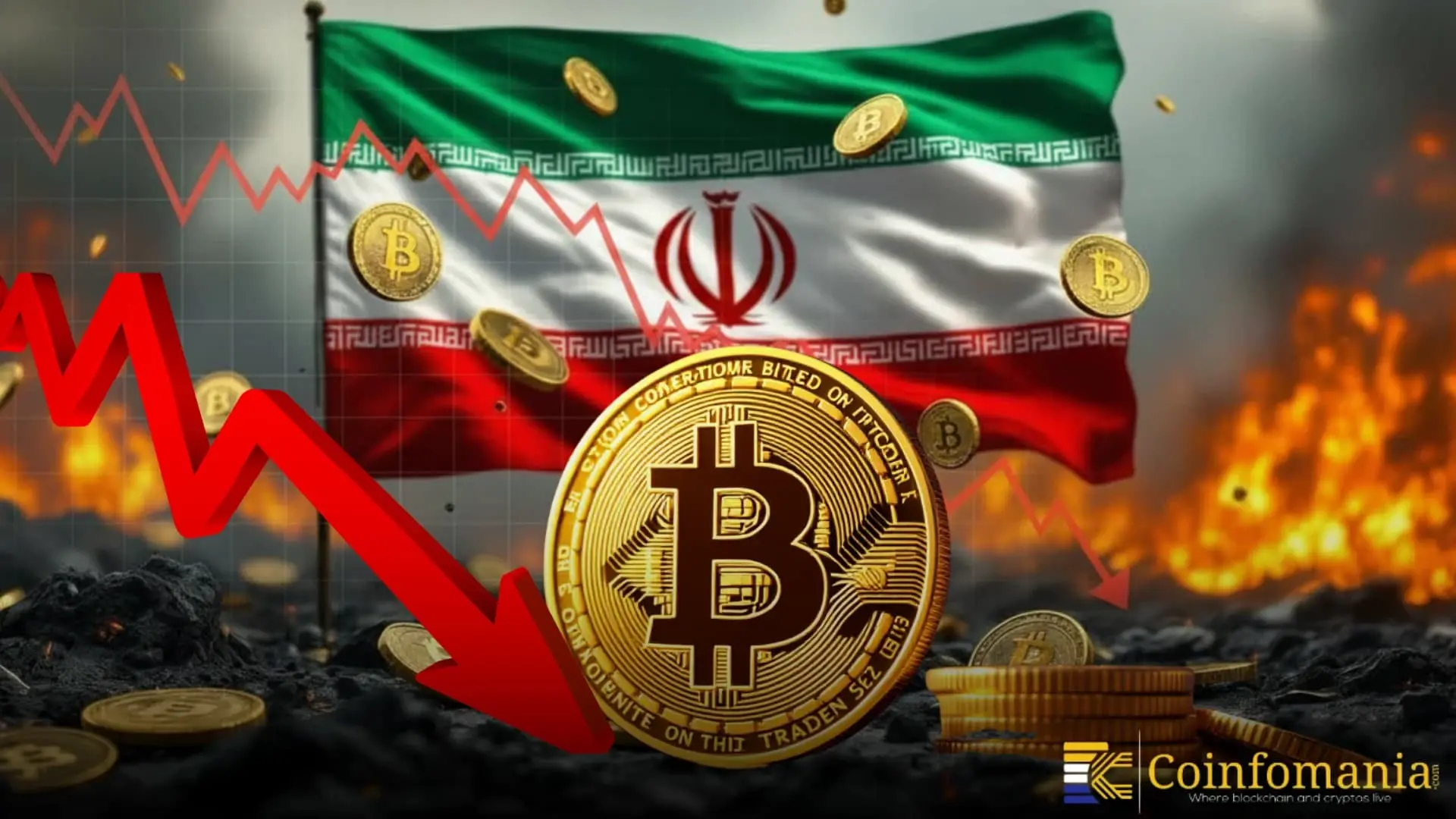
🚨💥✨️ Iran Demands Crypto Payment In Ceasefire Deal, Petrodollar Could Die
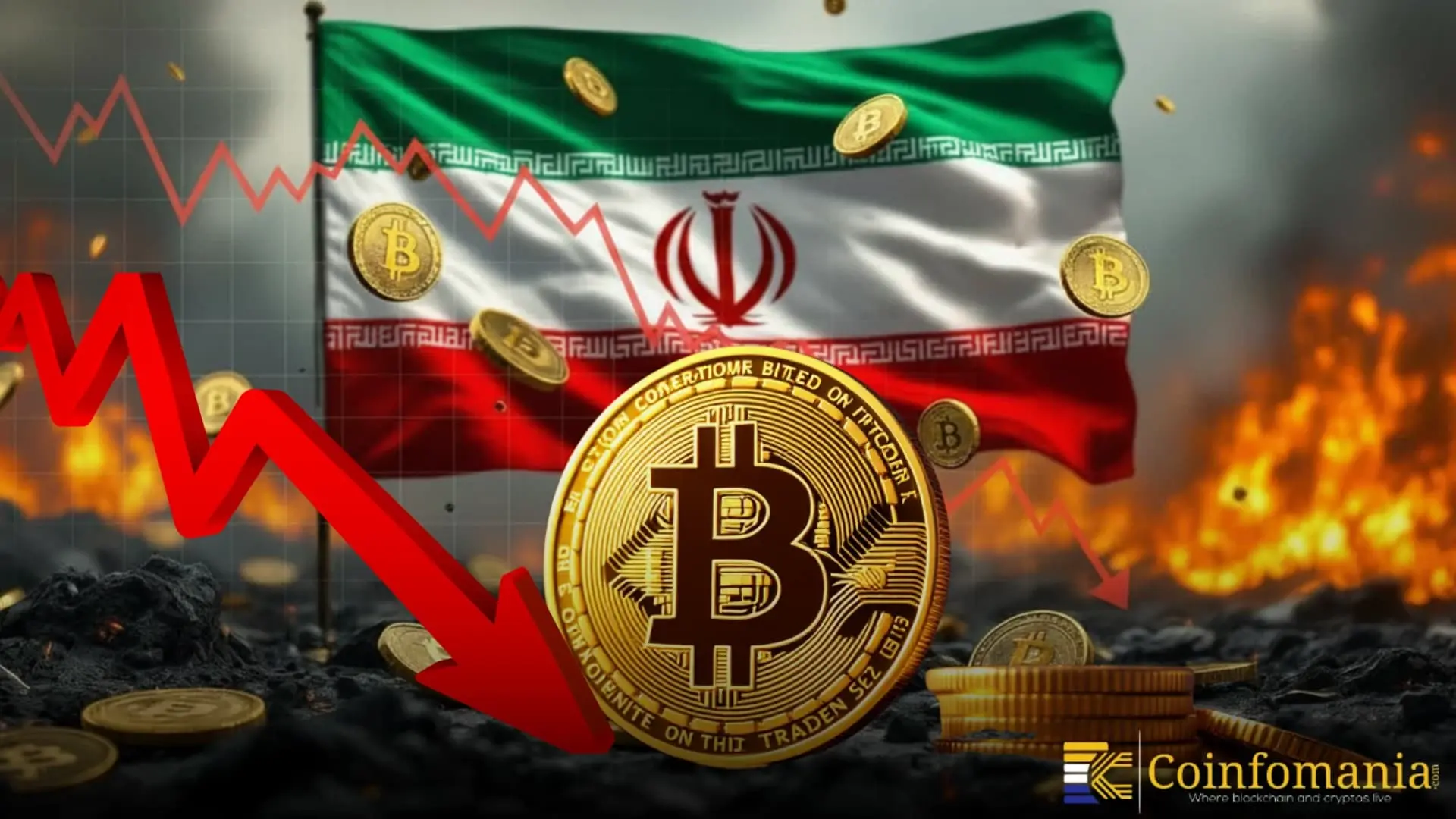
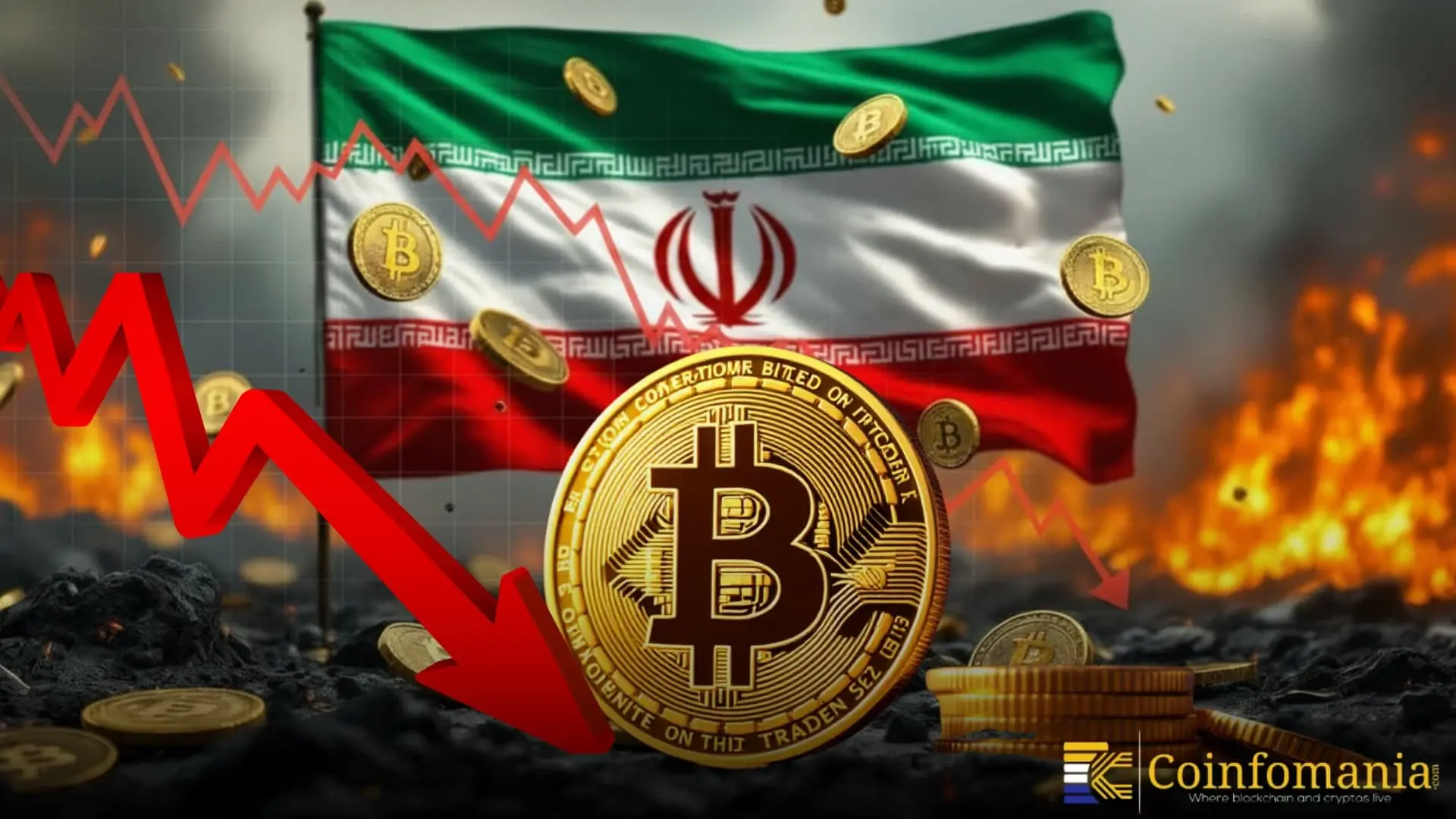
In a bold move that challenges the traditional petrodollar system, Iran has announced plans to demand cryptocurrency payments for oil tankers navigating the Strait of Hormuz. According to Hamid Hosseini, spokesperson for Iran’s Oil, Gas, and Petrochemical Products Exporters’ Union, the toll is set at $1 per barrel of oil for laden vessels. For a fully loaded supertanker, this fee could reach up to $2 million per transit.
The primary motivation behind this directive is to bypass international sanctions. Iranian authorities have designed a payment system where shipping companies must email cargo details to receive a toll amount. The payment, required in Bitcoin (BTC), must be completed within seconds. This rapid transaction window is intended to prevent the tracing or confiscation of funds by foreign regulators. Based on pre-war traffic levels of approximately 20 million barrels per day, this crypto-toll could generate roughly $7.3 billion in annual revenue for Tehran.
This policy is backed by severe military warnings. Radio broadcasts in the Gulf have cautioned that any vessel attempting to transit without Iranian approval and payment will face military strikes and potential destruction. Iran is also pushing for a new protocol that mandates tankers use the northerly route near its coastline, ensuring total oversight by its armed forces.
The demand creates a significant geopolitical flashpoint. While President Donald Trump has indicated that a ceasefire is contingent on the "safe and immediate" reopening of the strait, Iran’s 10-point proposal includes maintaining control over the waterway and securing guarantees against future attacks. By forcing crypto settlements, Iran is not only seeking a lifeline against economic restrictions but is also signaling a strategic shift that could erode the U.S. dollar’s long standing dominance in global energy trade.
✅️ FOLLOW FOR MORE ✅️
$BTC $SOL $ETH
In a bold move that challenges the traditional petrodollar system, Iran has announced plans to demand cryptocurrency payments for oil tankers navigating the Strait of Hormuz. According to Hamid Hosseini, spokesperson for Iran’s Oil, Gas, and Petrochemical Products Exporters’ Union, the toll is set at $1 per barrel of oil for laden vessels. For a fully loaded supertanker, this fee could reach up to $2 million per transit.
The primary motivation behind this directive is to bypass international sanctions. Iranian authorities have designed a payment system where shipping companies must email cargo details to receive a toll amount. The payment, required in Bitcoin (BTC), must be completed within seconds. This rapid transaction window is intended to prevent the tracing or confiscation of funds by foreign regulators. Based on pre-war traffic levels of approximately 20 million barrels per day, this crypto-toll could generate roughly $7.3 billion in annual revenue for Tehran.
This policy is backed by severe military warnings. Radio broadcasts in the Gulf have cautioned that any vessel attempting to transit without Iranian approval and payment will face military strikes and potential destruction. Iran is also pushing for a new protocol that mandates tankers use the northerly route near its coastline, ensuring total oversight by its armed forces.
The demand creates a significant geopolitical flashpoint. While President Donald Trump has indicated that a ceasefire is contingent on the "safe and immediate" reopening of the strait, Iran’s 10-point proposal includes maintaining control over the waterway and securing guarantees against future attacks. By forcing crypto settlements, Iran is not only seeking a lifeline against economic restrictions but is also signaling a strategic shift that could erode the U.S. dollar’s long standing dominance in global energy trade.
✅️ FOLLOW FOR MORE ✅️
$BTC $SOL $ETH