

Trade
Basic
Futures
Futures
Hundreds of contracts settled in USDT or BTC
TradFi
Gold
Trade global traditional assets with USDT in one place
Options
Hot
Trade European-style vanilla options
Unified Account
Maximize your capital efficiency
Demo Trading
Futures Kickoff
Get prepared for your futures trading
Futures Events
Participate in events to win generous rewards
Demo Trading
Use virtual funds to experience risk-free trading
Earn
Launch
CandyDrop
Collect candies to earn airdrops
Launchpool
Quick staking, earn potential new tokens
HODLer Airdrop
Hold GT and get massive airdrops for free
Launchpad
Be early to the next big token project
Alpha Points
Trade on-chain assets and enjoy airdrop rewards!
Futures Points
Earn futures points and claim airdrop rewards
Investment
Simple Earn
Earn interests with idle tokens
Auto-Invest
Auto-invest on a regular basis
Dual Investment
Buy low and sell high to take profits from price fluctuations
Soft Staking
Earn rewards with flexible staking
Crypto Loan
0 Fees
Pledge one crypto to borrow another
Lending Center
One-stop lending hub
VIP Wealth Hub
Customized wealth management empowers your assets growth
Private Wealth Management
Customized asset management to grow your digital assets
Quant Fund
Top asset management team helps you profit without hassle
Staking
Stake cryptos to earn in PoS products
Smart Leverage
New
No forced liquidation before maturity, worry-free leveraged gains
GUSD Minting
Use USDT/USDC to mint GUSD for treasury-level yields

More


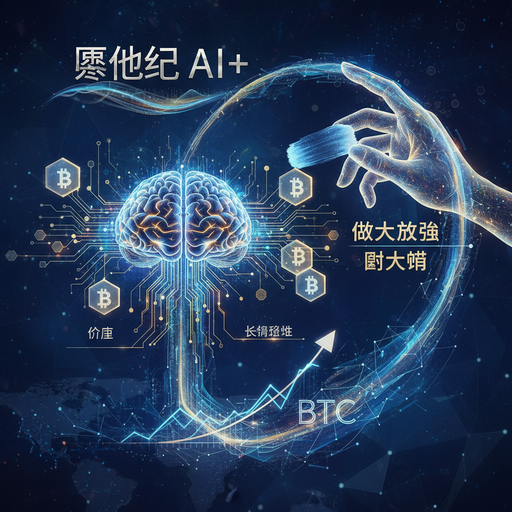
Understanding Blockchain Technology and Its Core Benefits
Blockchain has emerged as a transformative technology that fundamentally changes how we store, verify, and share information. At its essence, a blockchain functions as a distributed, decentralized ledger where transactions are permanently recorded within encrypted blocks that cannot be altered or deleted.
The Distributed and Immutable Nature
The infrastructure of blockchain technology relies on its unique approach to data management. Rather than storing information in a central location, blockchain distributes transaction records across multiple nodes within a network. This distributed approach ensures that every participant maintains an identical copy of the ledger. The immutable characteristic means that once data is recorded in a block, it becomes virtually impossible to modify without detection, creating a permanent and tamper-proof record of all transactions.
Cryptographic Security and Network Validation
What makes blockchain particularly powerful is its use of advanced cryptographic techniques. Every transaction is protected through encryption, and all network participants are automatically notified when changes occur to the data blocks. This cryptographically secure method guarantees that transactions cannot be fraudulently altered, and the consensus mechanism ensures all nodes agree on the validity of the information before it is permanently recorded.
Real-World Applications Beyond Cryptocurrencies
While blockchain gained prominence through its role powering cryptocurrencies and digital assets, its applications extend far beyond financial transactions. The technology offers considerable promise in industries where trust and transparency are essential. In healthcare, blockchain can create immutable patient records that enhance data security and interoperability. Cybersecurity applications utilize blockchain to verify system integrity and prevent unauthorized access. Financial institutions also leverage blockchain for faster settlements and enhanced transparency in their operations.
The Future of Distributed Trust Systems
The broad possibilities of blockchain technology continue to expand as new use cases emerge. Industries seeking to eliminate intermediaries, reduce fraud, and establish transparent systems increasingly recognize blockchain’s distinctive advantages. Whether applied to supply chain management, digital identity verification, or governance systems, blockchain represents a fundamental shift toward decentralized, trust-based infrastructure that prioritizes security and transparency above traditional centralized models.