

Trade
Basic
Futures
Futures
Hundreds of contracts settled in USDT or BTC
TradFi
Gold
Trade global traditional assets with USDT in one place
Options
Hot
Trade European-style vanilla options
Unified Account
Maximize your capital efficiency
Demo Trading
Futures Kickoff
Get prepared for your futures trading
Futures Events
Participate in events to win generous rewards
Demo Trading
Use virtual funds to experience risk-free trading
Earn
Launch
CandyDrop
Collect candies to earn airdrops
Launchpool
Quick staking, earn potential new tokens
HODLer Airdrop
Hold GT and get massive airdrops for free
Launchpad
Be early to the next big token project
Alpha Points
Trade on-chain assets and enjoy airdrop rewards!
Futures Points
Earn futures points and claim airdrop rewards
Investment
Simple Earn
Earn interests with idle tokens
Auto-Invest
Auto-invest on a regular basis
Dual Investment
Buy low and sell high to take profits from price fluctuations
Soft Staking
Earn rewards with flexible staking
Crypto Loan
0 Fees
Pledge one crypto to borrow another
Lending Center
One-stop lending hub
VIP Wealth Hub
Customized wealth management empowers your assets growth
Private Wealth Management
Customized asset management to grow your digital assets
Quant Fund
Top asset management team helps you profit without hassle
Staking
Stake cryptos to earn in PoS products
Smart Leverage
New
No forced liquidation before maturity, worry-free leveraged gains
GUSD Minting
Use USDT/USDC to mint GUSD for treasury-level yields

More




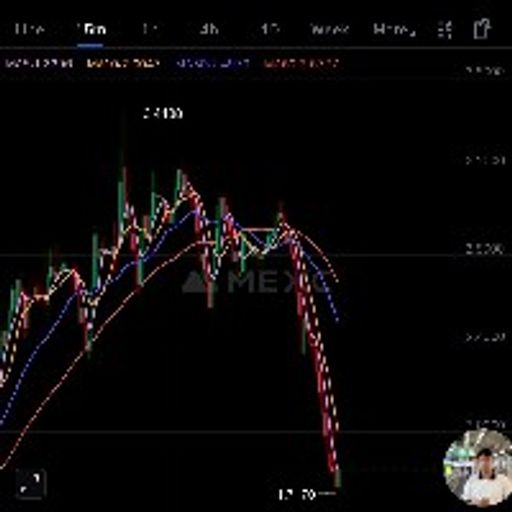

Understanding Today's Crypto Falling: Market Pressures From Multiple Economic Fronts
The crypto market experienced significant selling pressure today, with Bitcoin, Ethereum, Dogecoin, and other altcoins all showing weakness. This downturn stems from a convergence of economic headwinds rather than isolated market sentiment shifts. By examining the underlying forces, we can better grasp why crypto falling has become inevitable given the current macroeconomic landscape.
Bond Yields Surge Triggers Capital Reallocation Away from Risk Assets
The primary catalyst for today’s sell-off was the substantial rise in U.S. Treasury yields. When government bond returns climb, investors naturally pivot toward safer, more predictable income sources. This systematic rotation pulls capital away from speculative and high-volatility assets, including cryptocurrencies.
The mechanics are straightforward: higher yields increase the opportunity cost of holding risk assets. Market participants reassess their portfolios, moving from crypto back into bonds or cash equivalents. This reallocation intensifies selling pressure and reduces overall market liquidity. The contagion extended beyond crypto into broader equity markets, particularly technology stocks, demonstrating how tightly intertwined these asset classes have become in today’s financial ecosystem.
Current market data illustrates this pressure clearly. Bitcoin (BTC) trades at $70.32K with a 24-hour gain of +1.18%, while Ethereum (ETH) sits at $2.07K down 1.51%, and Dogecoin (DOGE) dropped to $0.10 off 2.13% in the same period. These mixed signals reflect market indecision amid macro turbulence.
Federal Reserve’s Hawkish Stance Tightens Liquidity Conditions
Another major pressure point emerged from the Federal Reserve’s signaling on monetary policy. Recent communications have tempered market expectations for interest rate cuts throughout 2025—a critical reversal from earlier optimism. Fewer rate cuts mean borrowing costs remain elevated for an extended period, directly suppressing demand for yield-chasing assets like cryptocurrencies.
The Fed’s decision to maintain a tighter monetary stance reflects persistent inflation concerns and robust employment data. When central banks prioritize inflation control over economic stimulus, risk assets universally suffer. Historically, tightening cycles have consistently created headwinds for crypto, as these assets thrive in low-rate environments where investors seek higher returns. The messaging from policymakers suggests this restrictive period may persist longer than previously anticipated, keeping downside risks elevated.
Macro Risks Reshape Investor Risk Appetite in Near Term
Beyond yields and rates, broader macroeconomic uncertainties are reshaping how investors allocate capital. Government spending debates, expanding budget deficits, and questions surrounding future fiscal policy decisions have created a hesitation premium across risk assets. When structural uncertainty increases, investors predictably reduce exposure to speculative holdings.
The short-term outlook presents mixed signals. Some market participants believe early 2025 could see renewed buying if liquidity conditions improve. However, seasonal factors—particularly tax season in major economies and government funding negotiations—could create additional liquidity drains that trigger further downside.
Market Data Reflects Broader Financial Interconnection
The sell-off in crypto-related equities mirrors the weakness in digital assets themselves, reinforcing how deeply connected these markets have become. What happens in traditional finance no longer remains isolated; crypto responds quickly to Treasury movements, rate expectations, and broader economic sentiment shifts.
Today’s decline serves as a reminder that crypto falling is not an independent phenomenon but rather a direct consequence of macro money flows, interest rate trajectories, and economic expectations. Investors navigating current conditions should focus on risk management protocols and maintain vigilance as liquidity dynamics evolve throughout the coming weeks. The interplay between central bank policy, yield curves, and risk appetite will likely determine the trajectory of digital assets in the near term.