

Trade
Basic
Futures
Futures
Hundreds of contracts settled in USDT or BTC
TradFi
Gold
Trade global traditional assets with USDT in one place
Options
Hot
Trade European-style vanilla options
Unified Account
Maximize your capital efficiency
Demo Trading
Futures Kickoff
Get prepared for your futures trading
Futures Events
Participate in events to win generous rewards
Demo Trading
Use virtual funds to experience risk-free trading
Earn
Launch
CandyDrop
Collect candies to earn airdrops
Launchpool
Quick staking, earn potential new tokens
HODLer Airdrop
Hold GT and get massive airdrops for free
Launchpad
Be early to the next big token project
Alpha Points
Trade on-chain assets and enjoy airdrop rewards!
Futures Points
Earn futures points and claim airdrop rewards
Investment
Simple Earn
Earn interests with idle tokens
Auto-Invest
Auto-invest on a regular basis
Dual Investment
Buy low and sell high to take profits from price fluctuations
Soft Staking
Earn rewards with flexible staking
Crypto Loan
0 Fees
Pledge one crypto to borrow another
Lending Center
One-stop lending hub
VIP Wealth Hub
Customized wealth management empowers your assets growth
Private Wealth Management
Customized asset management to grow your digital assets
Quant Fund
Top asset management team helps you profit without hassle
Staking
Stake cryptos to earn in PoS products
Smart Leverage
New
No forced liquidation before maturity, worry-free leveraged gains
GUSD Minting
Use USDT/USDC to mint GUSD for treasury-level yields

More






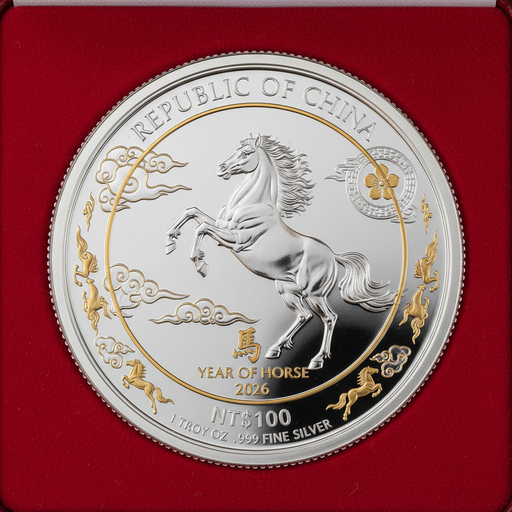
Practical Guide: How to Invest in Gold in 2026 (6 Methods Explained)
For thousands of years, gold has captured the imagination and trust of millions of people worldwide. From ancient civilizations to modern investment portfolios, this precious metal has remained a symbol of security and prosperity. In 2026, the question of how to invest in gold remains as relevant as ever, especially for those seeking to diversify their wealth beyond traditional markets. Whether you’re an experienced investor or just starting your financial journey, understanding the mechanisms of investing in gold is essential for making informed decisions. This article will guide you through all available options: from tangible bars to innovative digital platforms, breaking down each method so you can identify which best aligns with your goals.
Gold: A Protective Asset, Not Just Speculation
Why do millions choose to invest in gold? The answer goes beyond its shine: gold acts as an anchor in turbulent portfolios. Unlike stocks or traditional bonds, gold does not depend on corporate reports, manipulable interest rates, or backing from specific governments. It exists independently within the global financial system, giving it a stability few assets can match.
When inflation accelerates or markets panic, gold tends to maintain its value or even appreciate. For most investors, it’s not about generating quick wealth but building a protective shield. Gold functions as an insurance policy during uncertain economic times, providing peace of mind when confidence in financial institutions wavers. Additionally, its global recognition and high liquidity facilitate buying, selling, and converting to cash when needed.
This defensive characteristic explains why gold has remained in investment portfolios for centuries. It’s not a sexy asset for quick gains but a strategic component for building long-term financial resilience.
Six Ways to Invest in Gold: From Physical to Digital
The beauty of investing in gold in the modern era lies in the diversity of available options. You’re no longer limited to burying bars in the basement. Each method offers unique advantages and disadvantages, suited to different investor profiles, risk tolerances, and capital availability.
1. Physical Gold: Direct Ownership
The most tangible way to invest in gold is purchasing bars, coins, and occasionally high-purity jewelry. This form makes you the direct owner of the metal, valued according to its weight and purity in global markets.
Main advantages:
Challenges to consider:
Ideal profile: Conservative investors valuing tangible physical ownership and willing to manage secure storage.
2. Gold ETFs: Simplified Access
Exchange-Traded Funds (ETFs) offer exposure to gold without the hassle of physically owning the metal. These instruments are traded like regular stocks, backed by actual gold stored in secure vaults.
What makes ETFs attractive:
Important limitations:
Ideal profile: Investors seeking convenience, flexibility, and market access without logistical complications.
3. Gold Mutual Funds: Professional Management
Mutual funds combine physical gold, gold ETFs, and mining stocks in an actively managed portfolio by professionals. This approach provides diversified exposure to the entire gold sector.
Benefits of active management:
Critical considerations:
Ideal profile: Long-term investors preferring expert delegation and willing to pay for active management.
4. Gold Sovereign Bonds (GSB): Safe Hybrid
Some governments issue bonds linked to the gold price, combining fixed returns with metal appreciation. These debt instruments can be redeemed for cash at maturity.
Unique attractions:
Restrictions to evaluate:
Ideal profile: Conservative investors seeking low-cost, government-backed options with medium to long-term horizons.
5. Mining Stocks: Exposure to Growth
Buying shares of gold-producing companies offers an indirect but dynamic exposure. These stocks are influenced by gold prices but also by management and economic cycles.
Growth potential of mining stocks:
Inherent risks:
Ideal profile: Risk-tolerant investors seeking growth above capital preservation.
6. Digital Gold: Democratizing Investment
Digital platforms allow buying small fractions of gold online, stored in insured vaults and reflected digitally in your account.
Revolutions of digital gold:
Security considerations:
Ideal profile: Beginners and occasional investors valuing flexibility, financial education, and low initial capital.
What Is the Right Gold Investment Strategy for You?
Deciding how to invest in gold depends on your specific personal factors. There’s no one-size-fits-all answer—only a personalized path based on your financial circumstances.
Step 1: Define Your Investment Purpose
Wealth preservation: Physical gold or sovereign bonds offer direct ownership and long-term security.
Inflation hedge or diversification: ETFs and mutual funds provide efficient exposure at low cost.
Growth potential: Mining stocks or equity-based funds deliver higher returns with increased volatility.
Operational flexibility: Digital gold and ETFs enable quick entry and exit with immediate liquidity.
Strategic advice: Align your investment type with your true motivations. Are you seeking protection or returns? The answer shapes everything else.
Step 2: Assess Your Personal Risk Tolerance
Gold’s stability varies significantly by instrument:
Remember: Physical gold is predictable but offers no returns; mining stocks offer potential outperformance but face company-specific risks.
Step 3: Synchronize with Your Time Horizon
Time influences the optimal strategy:
Fundamental principle: Longer horizons better absorb fluctuations and allow full cycle benefits of gold.
Step 4: Balance Control Versus Convenience
Your personal preference matters:
Key question: Do you sleep better with gold in a vault or watching numbers in your account?
Step 5: Diversify Within the Gold Sector
Don’t limit yourself to a single format. A balanced portfolio might look like:
This allocation balances risk, return, and accessibility.
Step 6: Understand All Costs
Fees silently accumulate:
Tax note: Different jurisdictions offer variable advantages (exemptions, long-term treatment). Always check local regulations.
Step 7: Position Gold Correctly in Your Portfolio
Gold is not a substitute for growth investments but a defensive complement:
Recommended allocation: 5-15% of your total investment portfolio
Scientific reasoning: Enough for effective hedging but not so much as to limit exposure to growth assets like stocks or real estate.
Common Mistakes and How to Avoid Them
Even with good intentions, investors often stumble over predictable pitfalls:
Trap 1: Short-term Speculation
Gold fluctuates. Macroeconomic data, interest rates, and global events cause volatility. Underperformance during strong economic growth cycles is common.
Solution: Avoid active trading. Gold works best as a long-term position, not a speculative bet.
Trap 2: Ignoring Opportunity Cost
Pure gold does not generate income (no interest or dividends). Excessive allocation costs growth in productive assets.
Solution: Keep it at 5-15%. Dedicate the majority to income-generating assets.
Trap 3: Neglecting Secure Storage (Physical Gold)
Safes, insurance, and third-party custodians incur costs.
Solution: Carefully calculate if costs justify physical possession versus digital.
Trap 4: Confusing Liquidity Between Formats
Some gold assets sell slowly. Sovereign bonds may have limited secondary markets.
Solution: Choose based on real access needs and liquidity.
Trap 5: Trust in Unregulated Platforms
Digital gold requires reputable, audited, transparent providers.
Solution: Research licenses, history, and audit practices before depositing.
Practical Tips to Start Your Gold Investment
If you’re a complete beginner, here’s your checklist:
Start modestly: You don’t need thousands of dollars upfront. A gold coin, some ETFs, or fractional digital gold allow you to learn with minimal risk.
Prioritize simplicity: For most beginners, ETFs or digital gold are the most rational entry points. They are low-cost, transparent, and easy to trade.
Choose trusted sources: Established dealers, government mints, and regulated financial institutions are your allies. Always verify storage and security information.
Don’t try to time markets: Buying at “perfect peaks” is nearly impossible. Use dollar-cost averaging: invest fixed amounts at regular intervals to smooth volatility.
Integrate into a broader portfolio: Gold is a hedge, not a complete solution. Combine with stocks, real estate, and bonds for balanced returns.
Conclusion: Your Next Step Toward Informed Investing
Gold is much more than a shiny metal; it’s a historic witness to financial security. For modern investors, it represents something invaluable: a globally recognized store of value that stabilizes portfolios during turbulence.
But it’s not a universal solution. If your goal is security, inflation protection, or diversification beyond traditional stocks and bonds, investing in gold deserves serious consideration.
The final question isn’t just “how to invest in gold,” but “why should I invest in gold?”—and the answer must be yours alone.
Start with what you understand. Choose products from reputable providers. Remember, you don’t need a massive allocation— even 10% well executed can significantly transform your risk profile.
With a structured approach, patience, and ongoing education, gold can become an indispensable strategic ally on your long-term financial journey.