

Trade
Basic
Futures
Futures
Hundreds of contracts settled in USDT or BTC
TradFi
Gold
Trade global traditional assets with USDT in one place
Options
Hot
Trade European-style vanilla options
Unified Account
Maximize your capital efficiency
Demo Trading
Futures Kickoff
Get prepared for your futures trading
Futures Events
Participate in events to win generous rewards
Demo Trading
Use virtual funds to experience risk-free trading
Earn
Launch
CandyDrop
Collect candies to earn airdrops
Launchpool
Quick staking, earn potential new tokens
HODLer Airdrop
Hold GT and get massive airdrops for free
Launchpad
Be early to the next big token project
Alpha Points
Trade on-chain assets and enjoy airdrop rewards!
Futures Points
Earn futures points and claim airdrop rewards
Investment
Simple Earn
Earn interests with idle tokens
Auto-Invest
Auto-invest on a regular basis
Dual Investment
Buy low and sell high to take profits from price fluctuations
Soft Staking
Earn rewards with flexible staking
Crypto Loan
0 Fees
Pledge one crypto to borrow another
Lending Center
One-stop lending hub
VIP Wealth Hub
Customized wealth management empowers your assets growth
Private Wealth Management
Customized asset management to grow your digital assets
Quant Fund
Top asset management team helps you profit without hassle
Staking
Stake cryptos to earn in PoS products
Smart Leverage
New
No forced liquidation before maturity, worry-free leveraged gains
GUSD Minting
Use USDT/USDC to mint GUSD for treasury-level yields

More


Trending Topics
View More75.77K Popularity
4.32K Popularity
1.62K Popularity
1.96K Popularity
6.02K Popularity



Pin
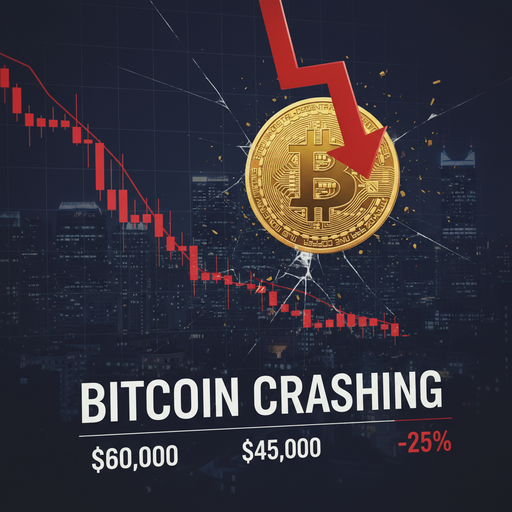
#BuyTheDipOrWaitNow – A Strategic Question for Crypto Investors
Market pullbacks always trigger the same debate among investors: Is this the perfect dip to buy, or is it smarter to wait? In today’s volatile crypto environment, that question is more relevant than ever. Prices fluctuate rapidly, sentiment shifts daily, and headlines often exaggerate fear or hype.
Understanding when to buy the dip or when to stay patient requires strategy, not emotion.
Buying the dip has long been a popular approach in crypto. The idea is simple: purchase assets at discounted prices during market corrections and hold them for long-term gains. Historically, this strategy has rewarded investors who bought Bitcoin, Ethereum, and strong altcoins during major pullbacks.
However, not every dip is equal. Some dips are temporary corrections, while others signal deeper market weakness.
One of the biggest mistakes investors make is assuming that every price drop is a buying opportunity. In reality, macroeconomic factors such as interest rate policies, inflation data, regulatory developments, and global liquidity conditions play a major role in market direction.
When uncertainty dominates these areas, prices may continue falling even after an initial dip. In such cases, patience can protect capital.
Market structure also matters. If the broader trend remains bullish and prices are pulling back to strong support levels, buying the dip can be a calculated decision. On the other hand, if the market is forming lower highs and lower lows, waiting for confirmation may be the wiser move. Successful investors often rely on technical indicators like volume, moving averages, and support-resistance zones to guide their timing.
Another key factor is capital management. Investing all available funds into a single dip can be risky. Many experienced traders prefer dollar-cost averaging (DCA), spreading entries over time instead of trying to catch the exact bottom. This approach reduces emotional stress and minimizes the impact of short-term volatility. Whether buying or waiting, discipline is essential.
Sentiment indicators can also offer valuable clues. When fear dominates social media and market sentiment reaches extreme pessimism, it often signals that a bottom may be forming.
Conversely, if investors are still overly optimistic during a dip, further downside may be ahead. Understanding crowd psychology can help investors avoid chasing losses or entering too early.
Waiting is not a sign of weakness. In fact, staying on the sidelines during unclear conditions preserves capital and provides flexibility. Cash is a position, especially when volatility is high. Investors who wait for confirmation—such as trend reversals, stronger volume, or positive macro signals—often enter trades with higher confidence and lower risk.
Ultimately, the decision to buy the dip or wait depends on individual goals. Long-term investors may view dips as opportunities to accumulate quality assets gradually. Short-term traders may prefer to wait for clearer setups to avoid unnecessary drawdowns. There is no one-size-fits-all answer.
In today’s crypto market, success comes from balancing opportunity with caution. Instead of asking “Should I buy now?” a better question is “Does this decision fit my strategy and risk tolerance?” Whether you buy the dip or wait, staying informed, patient, and disciplined will always be the real edge.