

Trade
Basic
Futures
Futures
Hundreds of contracts settled in USDT or BTC
Options
HOT
Trade European-style vanilla options
Unified Account
Maximize your capital efficiency
Demo Trading
Futures Kickoff
Get prepared for your futures trading
Futures Events
Participate in events to win generous rewards
Demo Trading
Use virtual funds to experience risk-free trading
Earn
Launch
CandyDrop
Collect candies to earn airdrops
Launchpool
Quick staking, earn potential new tokens
HODLer Airdrop
Hold GT and get massive airdrops for free
Launchpad
Be early to the next big token project
Alpha Points
NEW
Trade on-chain assets and enjoy airdrop rewards!
Futures Points
NEW
Earn futures points and claim airdrop rewards
Investment
Simple Earn
Earn interests with idle tokens
Auto-Invest
Auto-invest on a regular basis
Dual Investment
Buy low and sell high to take profits from price fluctuations
Soft Staking
Earn rewards with flexible staking
Crypto Loan
0 Fees
Pledge one crypto to borrow another
Lending Center
One-stop lending hub
VIP Wealth Hub
Customized wealth management empowers your assets growth
Private Wealth Management
Customized asset management to grow your digital assets
Quant Fund
Top asset management team helps you profit without hassle
Staking
Stake cryptos to earn in PoS products
Smart Leverage
NEW
No forced liquidation before maturity, worry-free leveraged gains
GUSD Minting
Use USDT/USDC to mint GUSD for treasury-level yields

More


Trending Topics
View More25.83K Popularity
34.28K Popularity
24.03K Popularity
8.15K Popularity
6.44K Popularity





Pin
Government Signals Long-Term Bitcoin Strategy With Reserve Decision
Source: Coindoo Original Title: Government Signals Long-Term Bitcoin Strategy With Reserve Decision Original Link: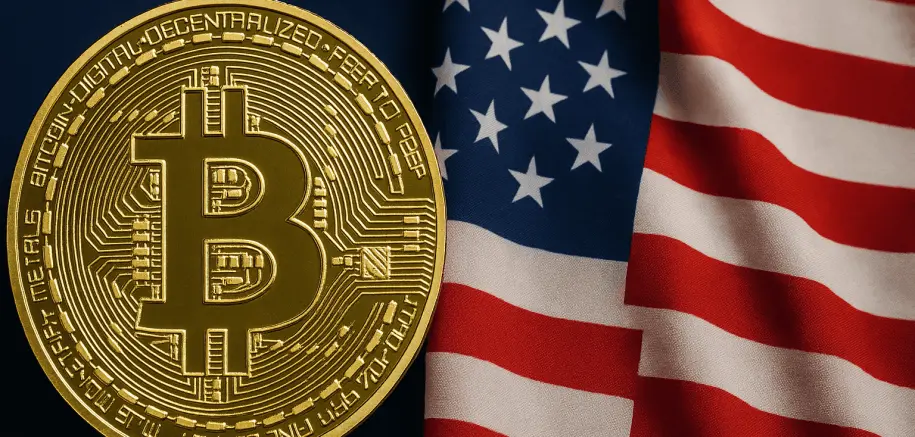
The US government has confirmed that Bitcoin seized in connection with the Samourai Wallet case has not been sold and will remain under federal custody, marking a notable shift in how digital assets forfeited through law enforcement actions are handled.
The clarification dispels speculation that the holdings had already been liquidated or were scheduled for near-term sale, arriving as Bitcoin continues to trade near key psychological levels.
Key takeaways:
Bitcoin added to the Strategic Bitcoin Reserve
According to confirmation provided by a senior official within the Trump administration, the United States Department of Justice verified that the confiscated digital assets remain intact. The determination follows an executive order that changed how certain forfeited digital assets are managed, explicitly allowing them to be held rather than sold.
Instead of converting the seized Bitcoin into dollars, the government will transfer the assets into the US Strategic Bitcoin Reserve. This removes the holdings from standard liquidation procedures and positions them as long-term reserves.
At the time of the confirmation, Bitcoin was trading around $94,960, with a market capitalization close to $1.9 trillion and daily trading volume exceeding $34 billion, underscoring the scale of the asset now being treated as a strategic holding.
Policy implications extend beyond the case
Although the confirmation concerns Bitcoin forfeited from Samourai Wallet, the implications reach further. The move establishes a precedent for future digital asset seizures, signaling that forfeited Bitcoin may increasingly be treated as a sovereign reserve asset rather than a disposable byproduct of enforcement actions.
The decision aligns with a broader shift under the current administration toward recognizing Bitcoin’s strategic value. By choosing retention over liquidation at a time when Bitcoin remains near all-time-high territory on a weekly basis, the US government is signaling a reassessment of how digital assets fit into national reserve strategy and long-term financial planning.