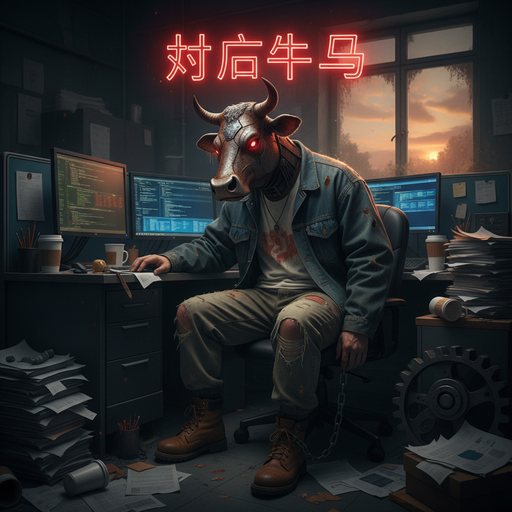
Have you watched those popular TV series? Behind the scenes, directors, actors, and technical teams work hard, but in the end, they can only get paid based on the platform's discretion. This opaque revenue sharing model has long needed to be changed.
One idea worth paying attention to is: store video content directly on a sharded storage network. Every time a user clicks to watch, a smart contract automatically triggers the settlement. The earnings for directors, actors, and production teams are credited in real-time according to a pre-set ratio, with no middlemen taking a cut.
This is not just a fantasy. This automated revenue sharing architecture encodes the rules in code, making black-box operations transparent. Creators can see exactly where every penny comes from, and viewers' watch counts directly correspond to revenue distribution. The entire chain is as transparent as it can be.
Ultimately, this is about returning the value flow of content back to the creators, allowing the production side to receive their rightful earnings. It’s no longer up to the platform to decide, but dictated by the market and smart contracts.
View Original
This page may contain third-party content, which is provided for information purposes only (not representations/warranties) and should not be considered as an endorsement of its views by Gate, nor as financial or professional advice. See Disclaimer for details.
14 Likes
Reward
14
10
Repost
Share
Comment
0/400
AltcoinMarathoner
· 7h ago
ngl, this is just mile 20 of the creator economy marathon. smart contracts handling splits? that's the accumulation phase we've been waiting for. no more platform gatekeeping bs.
Reply0
BlockchainTherapist
· 7h ago
Yeah, this set of logic sounds good, but is it really that easy to implement?
---
Smart contract automatic revenue sharing... sounds great, but what about in reality?
---
If it were truly transparent to the end, those big platforms would have already panicked.
---
Creators should get their money back, no problem there. But I'm worried it might just turn into another scheme to cut the leeks.
---
Hardcoded rules in the code? Haha, code is also written by humans. Who do we trust then?
---
That's true, but the key is who maintains this system. Has anyone calculated the costs?
---
I just want to know when this stuff can really become mainstream, or is it just another hype concept.
---
The dark secrets of platform revenue sharing are indeed disgusting. But decentralizing revenue sharing isn't a silver bullet either.
---
If it can really be achieved, that would be amazing. Creators finally won't have to be bloodsuckers for capital.
---
Automatic contract settlement sounds great, but what about user experience? Could it actually become more complicated?
View OriginalReply0
NFTFreezer
· 01-08 16:32
Smart contract revenue sharing sounds pretty good, but I don't know if it has actually been implemented yet.
View OriginalReply0
MetaverseVagrant
· 01-07 18:53
Damn, this is the real thing to do. The platform has been profiting off retail investors for decades.
View OriginalReply0
BearMarketSurvivor
· 01-07 18:53
Sounds great, but we need to ask—who pays for the gas fees for on-chain settlements? Has this been calculated?
View OriginalReply0
blockBoy
· 01-07 18:49
Oh no, someone finally said it—this revenue sharing system is really terrible.
Automatic distribution through smart contracts? Sounds good, saving the platform from secretly deducting layer after layer.
It would be great if it were truly transparent, but on-chain stuff isn't always reliable; it depends on who maintains it.
I just want to know if this system is costly or if it's just another new way to fleece users.
Now the platform is the big boss, but if it switches to a contract, no one will cheat? I'm a bit skeptical.
View OriginalReply0
FOMOmonster
· 01-07 18:45
Sounds good, but has it really been implemented, or is it just another "revolutionary" idea?
This on-chain revenue sharing sounds great, but the question is who will ensure that actors and directors want to be bound by code?
Middlemen are dead, but gas fees and smart contract vulnerabilities are thriving.
It's the same old decentralized tune. I feel like the platform just changed its disguise.
Creators definitely deserve to get more, but don't expect contracts to save the day.
View OriginalReply0
SelfMadeRuggee
· 01-07 18:42
Sounds pretty ideal, but the problem is, who will maintain this system? Isn't it just replacing one middleman with another?
View OriginalReply0
tx_pending_forever
· 01-07 18:38
It sounds idealistic, but can it really be implemented? How could the platform willingly relinquish power?
---
Smart contract revenue sharing? I like this logic; finally, someone has considered the creator's perspective.
---
It sounds good, but the key is whether someone will actually do this. Otherwise, it's just another airy dream of Web3.
---
Transparent revenue sharing is indeed a pain point, but here’s the question: why would the audience switch from the platform to a new system?
---
Hardcoding rules into the code sounds great, but what about bugs, disputes, and who will arbitrate?
---
I'm really fed up with middlemen skimming the difference; I support this idea.
View OriginalReply0
UnruggableChad
· 01-07 18:33
Yeah, this logic makes sense. I'm really fed up with platforms taking the spread.
Have you watched those popular TV series? Behind the scenes, directors, actors, and technical teams work hard, but in the end, they can only get paid based on the platform's discretion. This opaque revenue sharing model has long needed to be changed.
One idea worth paying attention to is: store video content directly on a sharded storage network. Every time a user clicks to watch, a smart contract automatically triggers the settlement. The earnings for directors, actors, and production teams are credited in real-time according to a pre-set ratio, with no middlemen taking a cut.
This is not just a fantasy. This automated revenue sharing architecture encodes the rules in code, making black-box operations transparent. Creators can see exactly where every penny comes from, and viewers' watch counts directly correspond to revenue distribution. The entire chain is as transparent as it can be.
Ultimately, this is about returning the value flow of content back to the creators, allowing the production side to receive their rightful earnings. It’s no longer up to the platform to decide, but dictated by the market and smart contracts.