

Trade
Trading Type
Spot
Trade crypto freely
Pre-Market
Trade new tokens before they are officially listed
Margin
Magnify your profit with leverage
Convert & Block Trading
0 Fees
Trade any size with no fees and no slippage
Alpha
Points
Get promising tokens in streamlined on-chain trading
Leveraged Tokens
Get exposure to leveraged positions simply
Futures
Futures
Hundreds of contracts settled in USDT or BTC
Options
HOT
Trade European-style vanilla options
Unified Account
Maximize your capital efficiency
Demo Trading
Futures Kickoff
Get prepared for your futures trading
Futures Events
Participate in events to win generous rewards
Demo Trading
Use virtual funds to experience risk-free trading
Earn
Launch
CandyDrop
Collect candies to earn airdrops
Launchpool
Quick staking, earn potential new tokens
HODLer Airdrop
Hold GT and get massive airdrops for free
Launchpad
Be early to the next big token project
Alpha Points
NEW
Trade on-chain assets and enjoy airdrop rewards!
Futures Points
NEW
Earn futures points and claim airdrop rewards
Investment
Simple Earn
Earn interests with idle tokens
Auto-Invest
Auto-invest on a regular basis
Dual Investment
Buy low and sell high to take profits from price fluctuations
Soft Staking
Earn rewards with flexible staking
Crypto Loan
0 Fees
Pledge one crypto to borrow another
Lending Center
One-stop lending hub
VIP Wealth Hub
Customized wealth management empowers your assets growth
Private Wealth Management
Customized asset management to grow your digital assets
Quant Fund
Top asset management team helps you profit without hassle
Staking
Stake cryptos to earn in PoS products
Smart Leverage
NEW
No forced liquidation before maturity, worry-free leveraged gains
GUSD Minting
Use USDT/USDC to mint GUSD for treasury-level yields


More
Promotions
Activity Center
Join activities and win big cash prizes and exclusive merch
Referral
20 USDT
Earn 40% commission or up to 500 USDT rewards
Announcements
Announcements of new listings, activities, upgrades, etc
Gate Blog
Crypto industry articles
VIP Services
Huge fee discounts
Proof of Reserves
Gate promises 100% proof of reserves





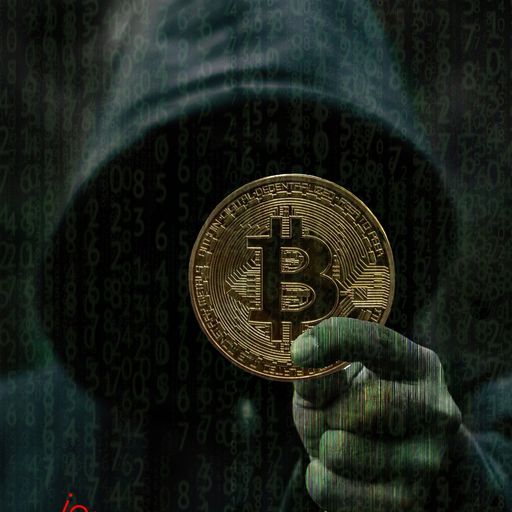
Have you noticed that money is now particularly worthless—it's not that its relative value has decreased, but that it really can't withstand spending anymore. Some time ago, I pulled together a ten-year asset list, and comparing the purchasing power then and now, honestly, it’s a bit frightening. It seems like we’ve all been swept into a silent "wealth evaporation" game, and the one controlling the whole situation is that never-stopping machine.
Let me give a real-world example: in Zimbabwe, anyone can proudly say they are a "trillionaire," but such a large sum of money can't buy a piece of bread. It sounds absurd, but our situation isn’t much better. Thirty years ago, a fifty-dollar bill could support a family for a week; now, fifty thousand bucks barely lasts a year. This isn’t just about things becoming more expensive; fundamentally, the money in circulation has been "diluted"—quietly and continuously—by that round-the-clock printing press.
Every additional banknote in circulation effectively reduces the actual purchasing power of the numbers in your account by one point. This is the most subtle form of plunder: some have converted real wealth into other forms and moved it away, leaving more and more paper money in the market to absorb and dilute. To truly see through this logic, you need transparent data and on-chain proof-of-ownership tools.
The good news is that in the decentralized world, you have new options. On-chain asset mapping tools can let you see in real-time whether your wealth is sinking or appreciating, whether it’s passively shrinking or finding ways to preserve value. The key is that the choice is in your hands—you can continue holding assets that are being continuously watered down, or you can shift your focus to digital stores of value with transparent total supply and clear proof of ownership.
A heartfelt final note: stop fooling yourself with the few hundred extra bucks on your monthly paycheck. Purchasing power is the real game rule. When the machine is running at full throttle, you either sink with it or actively find a lifeboat. The power of choice is always on your side.