

Trade
Trading Type
Spot
Trade crypto freely
Pre-Market
Trade new tokens before they are officially listed
Margin
Magnify your profit with leverage
Convert & Block Trading
0 Fees
Trade any size with no fees and no slippage
Alpha
Points
Get promising tokens in streamlined on-chain trading
Leveraged Tokens
Get exposure to leveraged positions simply
Futures
Futures
Hundreds of contracts settled in USDT or BTC
Options
HOT
Trade European-style vanilla options
Unified Account
Maximize your capital efficiency
Demo Trading
Futures Kickoff
Get prepared for your futures trading
Futures Events
Participate in events to win generous rewards
Demo Trading
Use virtual funds to experience risk-free trading
Earn
Launch
CandyDrop
Collect candies to earn airdrops
Launchpool
Quick staking, earn potential new tokens
HODLer Airdrop
Hold GT and get massive airdrops for free
Launchpad
Be early to the next big token project
Alpha Points
NEW
Trade on-chain assets and enjoy airdrop rewards!
Futures Points
NEW
Earn futures points and claim airdrop rewards
Investment
Simple Earn
Earn interests with idle tokens
Auto-Invest
Auto-invest on a regular basis
Dual Investment
Buy low and sell high to take profits from price fluctuations
Soft Staking
Earn rewards with flexible staking
Crypto Loan
0 Fees
Pledge one crypto to borrow another
Lending Center
One-stop lending hub
VIP Wealth Hub
Customized wealth management empowers your assets growth
Private Wealth Management
Customized asset management to grow your digital assets
Quant Fund
Top asset management team helps you profit without hassle
Staking
Stake cryptos to earn in PoS products
Smart Leverage
NEW
No forced liquidation before maturity, worry-free leveraged gains
GUSD Minting
Use USDT/USDC to mint GUSD for treasury-level yields


More
Promotions
Activity Center
Join activities and win big cash prizes and exclusive merch
Referral
20 USDT
Earn 40% commission or up to 500 USDT rewards
Announcements
Announcements of new listings, activities, upgrades, etc
Gate Blog
Crypto industry articles
VIP Services
Huge fee discounts
Proof of Reserves
Gate promises 100% proof of reserves





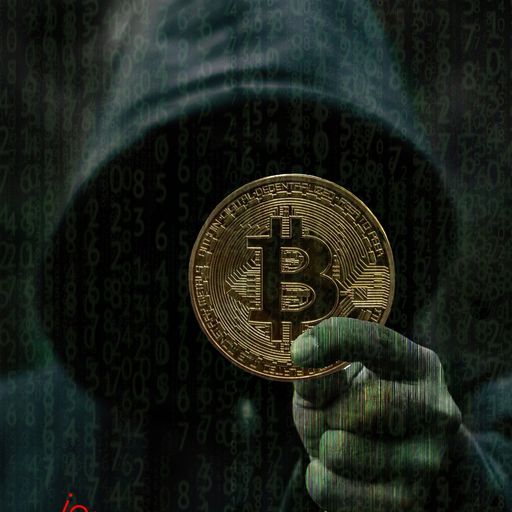
Eight years in the market, watching the contract market surge and fall, I have seen too many investors swing between hope and despair. Every so often, someone asks me the same question: "How can I survive longer?" To be honest, the answer is not in technical indicators or some magical formulas.
In the early days, we also followed the trend, chasing highs and selling lows, with predictable results. After two consecutive margin calls, my friends and I who persisted finally realized one thing — trading is fundamentally a battle against your own desires. The real difference is not who has a more accurate market judgment, but who can stay calm and stick to the rules.
**Stop-loss is the first line of defense**
In my early years, I fell for the idea of "holding on a little longer." It wasn't until my account shrank to just a few hundred dollars that I understood a simple truth: surviving is a thousand times more important than making quick money. My current principle is straightforward — set a stop-loss and execute it immediately, leaving no room for negotiation. Data shows that traders who strictly adhere to stop-losses have a significantly higher long-term survival rate. This is not a matter of probability; it’s a result.
**Stay calm during consecutive mistakes**
Making wrong judgments is common, but consecutive mistakes should alert you. At this point, the smartest move is to step away from the screen and let your brain reboot. Many people, at this moment, fall deeper into the trap, trying to recover by adding positions, which only accelerates their account’s demise. Walking away is rational, not逃避.
**Capital allocation determines the big picture**
Never risk your entire fortune on a single trade. Diversification sounds cliché, but it’s the line of defense that keeps you alive until the next opportunity. The market is not short of opportunities; what’s lacking is the capital to stay alive and see them.
**Emotional management is more critical than strategy**
Greed and fear are two extremes. The former makes you hold heavy positions chasing highs; the latter makes you cut losses and exit. The core of trading discipline is finding a balance between these two emotions. Keep a record of your thoughts behind each decision, and over time, you’ll see that most losing trades are driven by the same emotional triggers.
**Reviewing is the only path to growth**
Trading logs are not optional; they are your growth record. Regular review helps you find repeatable patterns in profits and identify areas for improvement in losses. This process may seem dull, but after three months, you will notice a clear difference.
Finally, I want to say that the crypto market is fast-changing and volatile, but the basic risk control logic remains unchanged. Those who can stick to discipline will survive longer. Survive longer, and you increase your chances.