

Trade
Basic
Futures
Futures
Hundreds of contracts settled in USDT or BTC
Options
HOT
Trade European-style vanilla options
Unified Account
Maximize your capital efficiency
Demo Trading
Futures Kickoff
Get prepared for your futures trading
Futures Events
Participate in events to win generous rewards
Demo Trading
Use virtual funds to experience risk-free trading
Earn
Launch
CandyDrop
Collect candies to earn airdrops
Launchpool
Quick staking, earn potential new tokens
HODLer Airdrop
Hold GT and get massive airdrops for free
Launchpad
Be early to the next big token project
Alpha Points
NEW
Trade on-chain assets and enjoy airdrop rewards!
Futures Points
NEW
Earn futures points and claim airdrop rewards
Investment
Simple Earn
Earn interests with idle tokens
Auto-Invest
Auto-invest on a regular basis
Dual Investment
Buy low and sell high to take profits from price fluctuations
Soft Staking
Earn rewards with flexible staking
Crypto Loan
0 Fees
Pledge one crypto to borrow another
Lending Center
One-stop lending hub
VIP Wealth Hub
Customized wealth management empowers your assets growth
Private Wealth Management
Customized asset management to grow your digital assets
Quant Fund
Top asset management team helps you profit without hassle
Staking
Stake cryptos to earn in PoS products
Smart Leverage
NEW
No forced liquidation before maturity, worry-free leveraged gains
GUSD Minting
Use USDT/USDC to mint GUSD for treasury-level yields

More


FET traders continue to accumulate despite the downtrend
55m ago
Why can a 17% increase in fertilizer prices derail the inflation story of Bitcoin
1h ago
Trending Topics
View More266 Popularity
30.45K Popularity
47.78K Popularity
9.43K Popularity
7.6K Popularity



Pin
Adam Back: Bitcoin can compete with gold as a hedge against inflation in the coming decade.
During a conversation at Paris Blockchain Week 2025, Back stated that the rising inflation and monetary instability in global economies will drive broader acceptance of Bitcoin.
He compared this cryptocurrency to gold, noting its scarcity and increasing acceptance as a means of storing value, despite it being down 30% from its historical peak of over $109,000.
“Bitcoin has an advantage similar to gold — it is a scarce asset but is also in a phase of widespread acceptance,” he said.
Inflation continues to pose challenges for global economies, with major currencies like the USD and euro increasing their supply by more than 50% over the past 5 years — a trend that, according to Back, could drive the adoption of Bitcoin as a hedge against currency instability.
“Eventually, that money will be used to buy all the goods. Therefore, they will increase in price accordingly, especially tangible assets such as houses or anything with long-term value. The inflation rate will likely be at 10% or 15% over the next decade — a level that is difficult to achieve from stocks or rentals. So there is a real possibility that Bitcoin will compete with gold and start taking on some of gold’s roles, such as a hedge against geopolitical risks and attracting some of the cash flows from gold to Bitcoin.”
According to a survey by the University of Michigan released on March 28, consumer inflation expectations surged to 5% for the coming year and 4.1% over the next five years – a development that raises concerns about the economic situation.
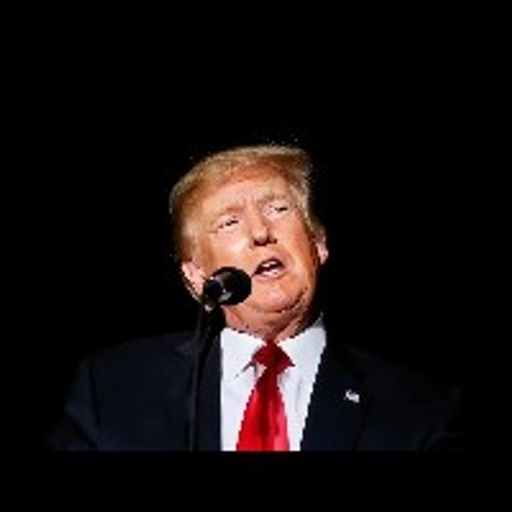
In addition to the increasing monetary instability, spot Bitcoin ETFs in the United States and the U.S. government being more friendly towards cryptocurrency under President Donald Trump may contribute to the acceptance of Bitcoin as a hedge against inflation.
“Regulatory agencies in the United States have finally approved ETF funds, and the current Trump administration is rolling back many negative regulations that were intended to slow down the adoption of cryptocurrency — such as Operation Chokepoint 2.0,” Back said.
This argument states that the acceptance of Bitcoin from individual investors should occur before the accumulation activities of organizations or governments:
“I like these people buying Bitcoin before the government, because once the governments start buying, it could create a competitive wave between countries.”
On March 7, President Trump signed an executive order establishing a Bitcoin reserve fund, which is formed from Bitcoins seized in criminal cases — a move that industry leaders call a significant step forward in integrating Bitcoin into the traditional financial system.
Disclaimer*: This article is for informational purposes only and is not investment advice. Investors should do their due diligence before making any decisions. We are not responsible for your investment decisions*
Dinh Dinh
@media only screen and (min-width: 0px) and (min-height: 0px) { div[id^=“wrapper-sevio-d89f58f5-7b63-40be-98c0-6b1fd62584fb”] { width:320px; height: 100px; } } @media only screen and (min-width: 728px) and (min-height: 0px) { div[id^=“wrapper-sevio-d89f58f5-7b63-40be-98c0-6b1fd62584fb”] { width: 728px; height: 90px; } }