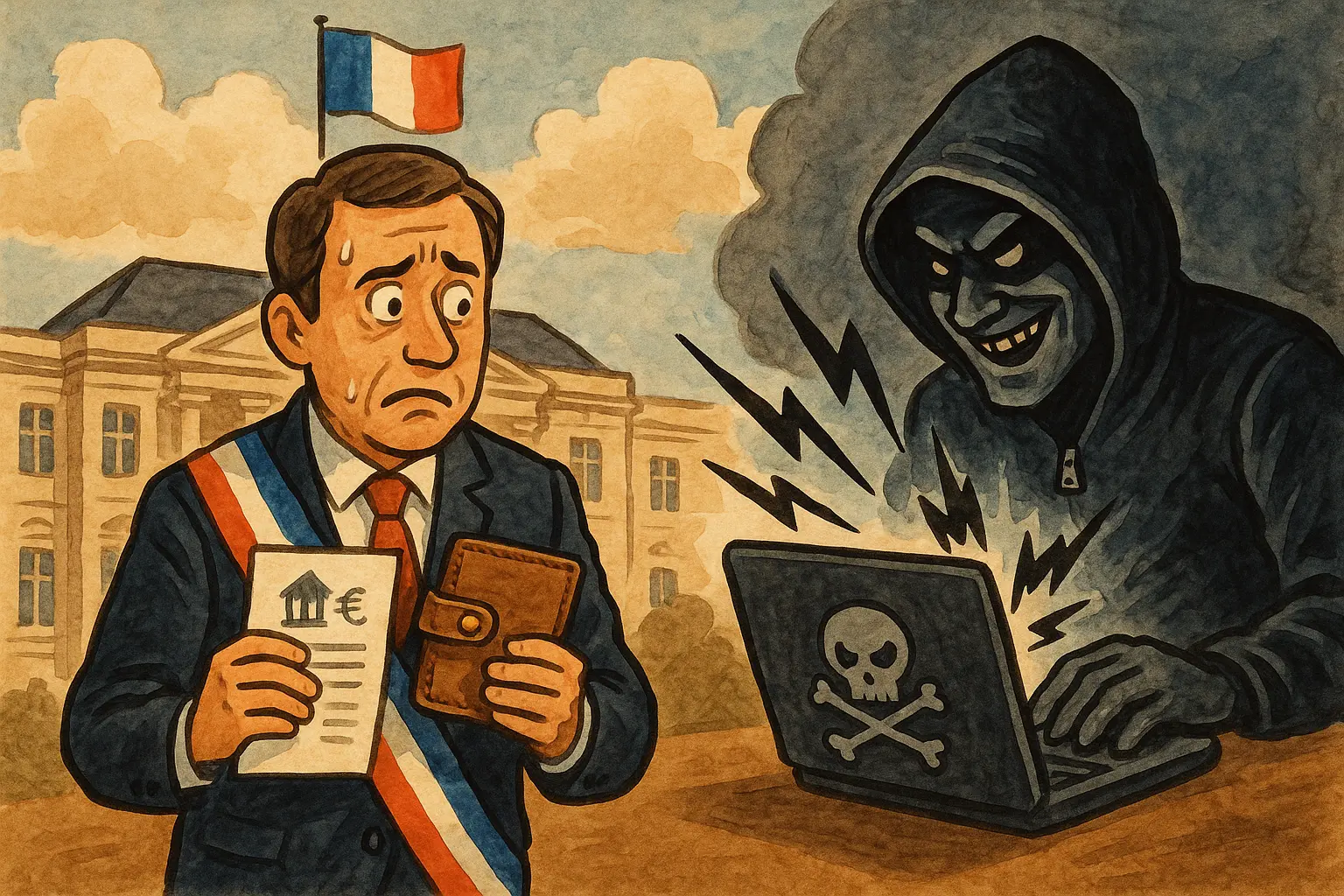
France’s National Assembly has passed an anti-fraud law amendment requiring that holders of crypto assets stored in self-custody wallets for more than 5,000 euros (about $5,847) must make a mandatory filing with France’s tax authority, the Direction Générale des Finances Publiques (DGFIP). The scope covers mainstream self-custody wallets such as Metamask, Phantom, and Ledger. However, the DGFIP has clearly stated its opposition, noting that it is neither able to effectively verify the submitted filing data.
Key Legal Provision: Filing Threshold and Who It Applies To
The adopted provision brings crypto wallets where users hold the private keys into a mandatory filing framework. Self-custody wallets are private wallets not connected to any public institution; their holders fully control the private keys themselves. Software wallets such as Metamask and Phantom, as well as hardware cold wallets such as Ledger, all fall under this category.
French residents who hold more than 5,000 euros worth of crypto assets in these kinds of wallets must, under law, file a report with the DGFIP. This obligation is packaged within the legislative framework of combating tax fraud, aiming to establish a reporting mechanism for off-chain assets that have been difficult to track in the past.
Core Contradiction: DGFIP Opposes Being Asked to Enforce the Law Itself
This legislative process reveals a rare institutional dilemma: the agency responsible for enforcement publicly opposes the relevant provisions and actively warns of their potential harms.
DGFIP’s Four Core Reasons for Opposition
Enforcement Capability Gap: DGFIP acknowledges that it cannot verify the self-custody wallet filing data submitted by taxpayers; on a technical level, on-chain checks of asset ownership have fundamental limitations.
Risk of Data Centralization: Central storage of holders’ identities and the scale of their assets will create an extremely sensitive database. Against the backdrop of frequent network attacks, such a database will become a top target for hackers.
Threats to Users’ Personal Safety: In a written statement, the DGFIP points out that information centralization will provide a precise target list for potential physical coercion attacks.
Contrary to Official Guidance: The passage of the provision, in practice, departs from the existing policy recommendations of the DGFIP and the French government on this issue.
Member of Parliament Daniel Labaronne opposed this provision during the parliamentary debate, using an analogy to question its feasibility: “How can the DGFIP verify whether someone has a piano at home?” Despite this, the motion to repeal was still rejected.
“Wrench Attack” Hotspot: Could the Filing List Become a Roadmap for Physical Attacks
France is among the known hotspots in Europe for “wrench attacks” against cryptocurrency holders (stealing private keys through physical coercion). If data on French users holding more than 5,000 euros in crypto assets is centrally compiled, then once a data breach occurs, attackers will obtain a precise list of high-asset holders. This sharply reduces the intelligence costs required for physical, targeted attacks, significantly increasing personal safety risks for French crypto users.
The co-founder of The Big Whale, Gregory Raymond, predicts that, given the government’s hostility toward this measure from within and the fundamental enforcement mechanism gaps, the rule will ultimately likely be difficult to implement.
Frequently Asked Questions
How is self-custody different from exchange custody, and why has it become a regulatory focus?
In a self-custody wallet, the private keys are controlled by the holder themselves, and the assets are not safeguarded by a third party such as an exchange or financial institution. Because such wallets are not within traditional financial reporting systems, regulators find it difficult to determine the holder’s asset size—so they have become a key target for heightened tracking across European countries.
Can this French filing requirement actually be enforced effectively?
According to DGFIP’s own assessment, there are fundamental challenges to enforceability. DGFIP admits it cannot verify the filing data submitted by users, and the blockchain’s decentralized nature makes on-chain checks of asset ownership extremely difficult at the technical level. Analyst Gregory Raymond likewise predicts that the rule is unlikely to truly take effect.
What actions do French crypto users need to take now?
The regulations are still in the legislative process and have not yet formally taken effect. It is recommended that users in France who hold more than 5,000 euros in self-custody assets continue monitoring the DGFIP’s official follow-up announcements, while also assessing whether they need to adjust how they store or structure their holdings. Until the final regulations are confirmed, they should consult local tax advisors.
Disclaimer: The information on this page may come from third parties and does not represent the views or opinions of Gate. The content displayed on this page is for reference only and does not constitute any financial, investment, or legal advice. Gate does not guarantee the accuracy or completeness of the information and shall not be liable for any losses arising from the use of this information. Virtual asset investments carry high risks and are subject to significant price volatility. You may lose all of your invested principal. Please fully understand the relevant risks and make prudent decisions based on your own financial situation and risk tolerance. For details, please refer to
Disclaimer.


