The FDIC rolls out a stablecoin regulatory framework to implement the GENIUS Act, requiring 1:1 reserves and a 2-day redemption window, clarifying that deposit insurance does not apply.
A federal regulatory framework takes shape, with the FDIC advancing details of the GENIUS Act
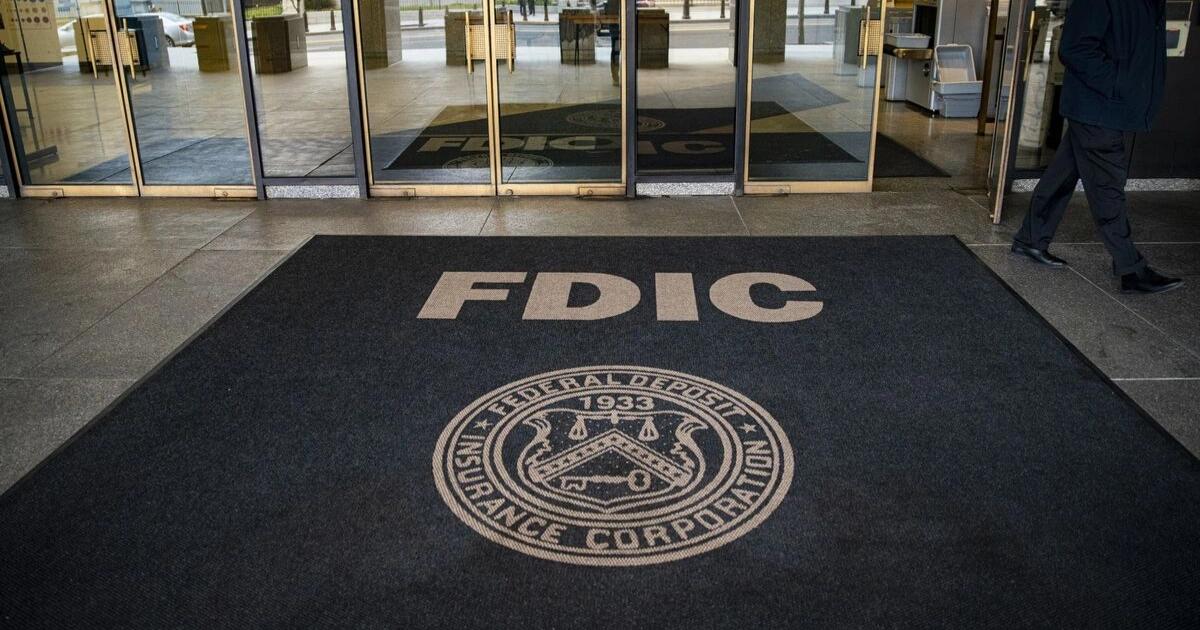
The Federal Deposit Insurance Corporation (FDIC) on “4/7” passed a new rule proposal aimed at the issuance and management of stablecoins by banks it regulates and their affiliates, establishing the first comprehensive prudential oversight framework. This move is intended to carry out the GENIUS Act, which was signed into law last year by the Trump administration, marking a key step by the U.S. federal government toward regulating dollar-pegged digital assets.
Under the proposal, the FDIC will define “permitted payment stablecoin issuers” (PPSIs). These entities are expected to operate as subsidiaries of FDIC-regulated institutions and must comply with stringent capital, reserve, and risk-management standards.
FDIC Vice Chairman Travis Hill said in a board meeting that as stablecoins’ use in payment infrastructure continues to expand, this framework is designed to address potential operational risks and maintain stability in the financial system. This new rule is the second wave of major regulatory actions, following the FDIC’s procedures announced last December for banks to apply to issue stablecoins through affiliated entities.
Meanwhile, the Office of the Comptroller of the Currency (OCC) also released a corresponding regulatory framework for its supervised entities in February this year, showing that U.S. federal financial regulators are working to build a unified stablecoin regulatory regime.
Strict 1:1 reserve and liquidity requirements to ensure redemptions are executed within two days
In managing reserve assets, the FDIC’s proposal requires stablecoin issuers to maintain a full 1:1 reserve and to strictly separate these reserves from the issuer’s other business activities. Eligible reserve assets are limited to highly liquid, low-risk instruments, including: U.S. currency, balances held at Federal Reserve Banks, deposits at insured banks, short-term U.S. Treasury securities, and specific overnight repurchase agreements. Issuers must monitor reserve assets daily and undergo periodic audits. In addition, the proposal includes concentration limits for reserve holdings to reduce exposure to a single counterparty and ensure sufficient redemption capacity even during periods of market stress.
For the redemption mechanism that investors care about most, the rule sets clear service standards. Issuers must publicly disclose a clear redemption policy and are expected to process redemption requests within 2 business days. To guard against a run risk, the FDIC requires that if the amount redeemed on a single day exceeds 10% of the total outstanding amount, the issuer must immediately notify regulators and may, as appropriate, apply to extend the redemption deadline. This mechanism is designed to provide market transparency while giving regulators advance warning to prevent a single stablecoin’s liquidity issues from evolving into systemic financial risk.
Capital buffers and operating thresholds, with strict separation of interest-earning boundaries
In addition to reserve asset rules, the FDIC also imposes stringent capital and operating requirements on issuers. Within the first 3 years of operations, new payment stablecoin issuers must maintain initial capital of at least $5 million, and the subsequent capital structure should be primarily common stock Tier 1 capital. Beyond statutory capital requirements, issuers must hold an additional independent liquidity buffer equal to 12 months of operating expenses; these funds are clearly defined as operational reserves distinct from stablecoin reserve funds. Moreover, for large issuers with market capitalization exceeding $50 billion, the FDIC will require more frequent annual reviews and dedicated compliance examinations.
On product characteristics, the FDIC draws a hard line regarding the earnings nature of stablecoins. The proposal explicitly prohibits issuers from marketing that stablecoin holders can earn interest or profits, and even any reward incentives provided through third-party arrangements are subject to strict scrutiny. This rule reflects the regulators’ position that stablecoins are payment instruments rather than savings products. On operational resilience, issuers must build robust cybersecurity systems covering private key management, blockchain monitoring, incident response, and annual anti-money-laundering compliance certification to ensure the security and compliance of digital assets at the technical level.
Deposit insurance scope clarified: stablecoins do not receive pass-through coverage
One of the most important clarifications in this regulatory framework is the definition of how deposit insurance applies. The FDIC states clearly that stablecoins issued under this framework itself do not receive standard deposit insurance coverage of $250,000 per person. This means that the reserves held by the issuer at a bank will be treated as the issuer’s corporate deposits, and token holders do not have individual insurance coverage. This prohibition on pass-through insurance is intended to prevent the market from mistakenly believing that stablecoins have the same federal backing as bank deposits, thereby maintaining a risk boundary between stablecoins and the traditional financial system.
However, the FDIC provides a different treatment for tokenized deposits. If traditional bank deposits are presented only in a tokenized technical format and still meet the legal definition of bank deposits, they can still receive standard deposit insurance treatment. The proposal is currently in a 60-day public comment period. The FDIC is seeking public feedback on 144 specific issues, including capital calibration, eligible assets, and the interest ban.
- Related news: U.S. Treasury kicks off GENIUS Act rulemaking details; opens 60 days of public comments on stablecoin regulation
As the mid-2026 implementation deadline set by the GENIUS Act approaches, federal regulators are accelerating efforts to finalize these rules. At the same time, the U.S. Senate is also in final negotiations over the dispute in the CLARITY Act concerning stablecoin yield and rewards. The comprehensive legal framework for stablecoins has become a core issue in U.S. crypto financial policy for 2026.
Disclaimer: The information on this page may come from third parties and does not represent the views or opinions of Gate. The content displayed on this page is for reference only and does not constitute any financial, investment, or legal advice. Gate does not guarantee the accuracy or completeness of the information and shall not be liable for any losses arising from the use of this information. Virtual asset investments carry high risks and are subject to significant price volatility. You may lose all of your invested principal. Please fully understand the relevant risks and make prudent decisions based on your own financial situation and risk tolerance. For details, please refer to
Disclaimer.


