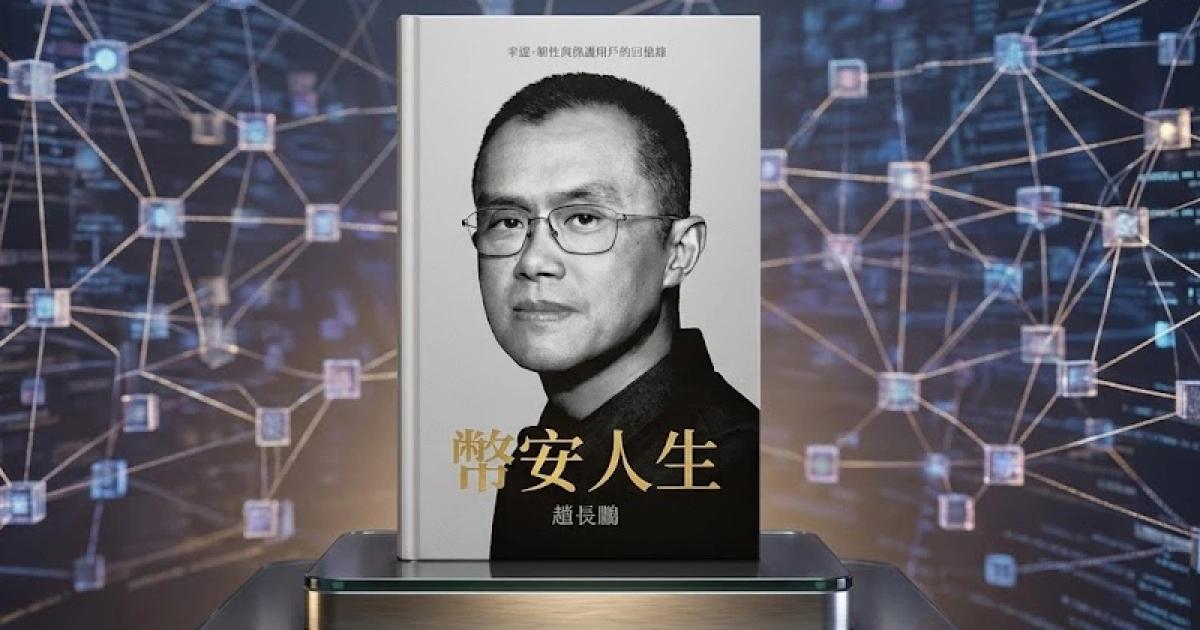
Changpeng Zhao (CZ) publishes a new book, Binance Life, revealing that back then he never seriously considered acquiring FTX; the letter of intent was signed only as a formality; and he directly points to the main reason for its collapse—that it exposed the token’s floor price. The book also reviews Binance’s development and the course of his experience facing regulatory challenges.
CZ’s new book lifts the veil on the collapse of FTX and the acquisition saga
Changpeng Zhao (CZ), the founder of Binance, has officially published his new book, Binance Life: Memoir of Luck, Resilience, and Protecting Users (Freedom of Money). In the book, he for the first time reveals many behind-the-scenes details of the FTX bankruptcy incident in 2022.
According to a report from CoinDesk, Zhao says in the book that at the time, FTX founder Sam Bankman-Fried (SBF) asked him for billions of dollars in a call, like it was asking for a Bologna sandwich—his attitude was extremely casual.
He revealed: “I’m not interested in owning FTX, and I’m not very interested in helping SBF. But to protect users and the industry, we might have to get involved. I clearly stated that we will not make any commitments. Our team will evaluate the relevant data, and then we’ll make a decision.”
In exploring the real root cause of the FTX collapse, Zhao points his finger at Alameda Research CEO Caroline Ellison, the market maker associated with the FTX exchange.
He believes Ellison’s public proposal at the time to acquire the FTT tokens held by Binance for $22 was a fatal mistake, essentially exposing the market to the floor price.
Professional traders immediately went heavily short, leading the FTT price to rapidly crash to $15 and even $5; in just 72 hours, $6 billion in funds fled FTX.
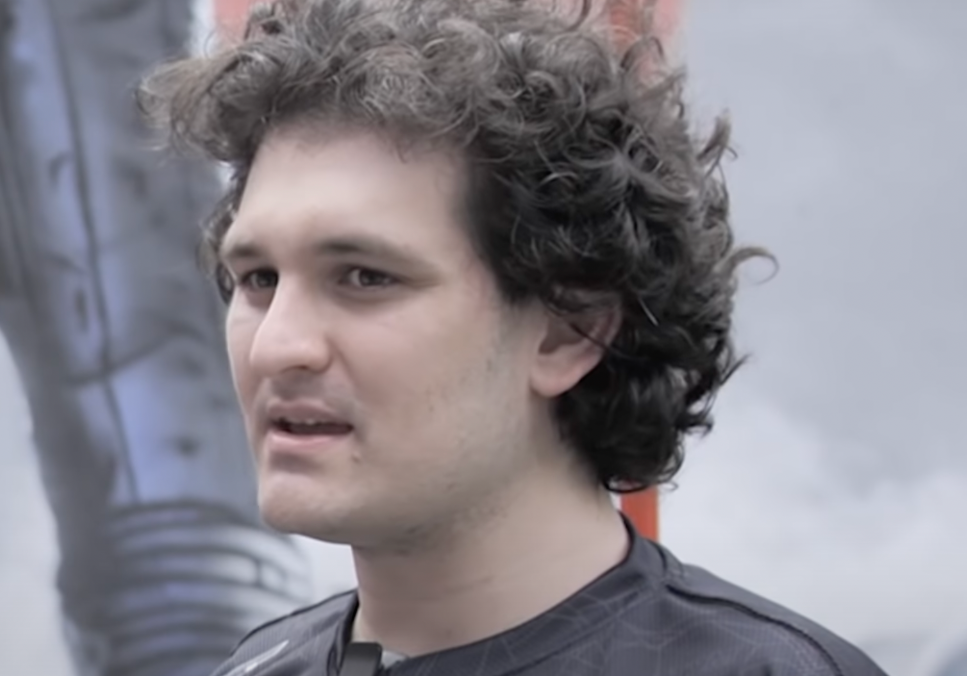
Photo source: commons.wikimedia, CointelegraphFTX former CEO SBF
Looking back on the FTX bankruptcy: from asset doubts to the collapse of the acquisition deal
Looking back on the FTX bankruptcy incident, the spark came from a report published by CoinDesk on November 3, 2022, which revealed problems with Alameda Research’s balance sheet. Of its $14.6 billion in assets, as much as 40% were FTX-issued platform tokens, FTT. This raised market concerns about its lack of liquidity and insolvency.
Soon after, on November 7, Zhao announced the liquidation of the FTT Binance held based on risk management considerations, further fueling market panic and a wave of withdrawals driven by fears of missing out.
Facing a liquidity crisis, on November 9 SBF announced that he had reached a strategic agreement with Binance. But Binance later quickly stated that after conducting due diligence, given reports that FTX had mishandled customer funds and faced investigations by U.S. institutions, on November 10 it officially announced it was abandoning the acquisition.
Because the funding gap could not be filled, FTX ultimately filed for Chapter 11 bankruptcy reorganization in the United States on November 11, and SBF also stepped down from his position.
FTX bankruptcy special report:
FTX’s one-year anniversary: the thriving chapter》It took only 3 years to explode in growth—why do even people in Taiwan love using it?
FTX’s one-year anniversary: the decline chapter》Overseas media fired the first shot—SBF’s crypto empire collapsed in an instant
FTX’s one-year anniversary: the embers chapter》Sorrow and pain that can’t be erased—how does the crypto community rise again?
Freedom of Money: breaking through the barriers of money transmission
In addition to revealing the inner story behind the FTX bankruptcy, Binance Life also records Zhao’s life trajectory and the history of Binance.
The book recounts Zhao’s move from rural China to Canada, and in 2017 he founded Binance, growing it into the world’s largest cryptocurrency exchange with a valuation of $100 billion in 2026 and more than 300 million users.
The book reveals that CZ calmly faced regulatory challenges and records his experience of being sentenced to four months in prison for violating the U.S. Bank Secrecy Act. He emphasized that the relevant allegations did not involve fraud or money laundering, and Binance paid a fine of $4.3 billion for this.
Regarding the meaning behind the English book title Freedom of Money, Zhao explained that freedom of money means that cryptocurrencies can break through obstacles in the traditional financial system.
He firmly believes that cryptocurrencies can play a critical role in expanding global financial accessibility—especially by helping people in developing countries who lack banking infrastructure to transfer funds across borders, counter local currency volatility, and enter global financial markets.
Further reading:
Binance slanders the Wall Street Journal! Report says the allegations involve Iran’s money flows, and the U.S. Department of Justice launches an investigation at the same time
Disclaimer: The information on this page may come from third parties and does not represent the views or opinions of Gate. The content displayed on this page is for reference only and does not constitute any financial, investment, or legal advice. Gate does not guarantee the accuracy or completeness of the information and shall not be liable for any losses arising from the use of this information. Virtual asset investments carry high risks and are subject to significant price volatility. You may lose all of your invested principal. Please fully understand the relevant risks and make prudent decisions based on your own financial situation and risk tolerance. For details, please refer to
Disclaimer.


