Panorama macroeconómico y visión general del precio del oro
A diciembre de 2025, el oro spot internacional se mantiene cerca de 4 200 $ por onza, fluctuando en niveles elevados (con ligeras diferencias de precio según la plataforma de negociación). En un contexto de elevada volatilidad en los principales activos de riesgo globales, el papel tradicional del oro como activo refugio vuelve a atraer notable atención del mercado.
El principal foco del mercado está en el inminente giro de la política de la Reserva Federal. Con la inflación en EE. UU. descendiendo de forma constante y el impulso del crecimiento económico perdiendo fuerza, las expectativas de recortes de tipos se han convertido en el motor dominante del sentimiento a corto plazo. Paralelamente, las variaciones en el índice dólar estadounidense y la demanda física global de oro (especialmente el consumo y las compras de bancos centrales en Asia) están configurando la dinámica actual del precio del oro.
Con la ventana de actuación política cada vez más próxima, el mercado en su conjunto muestra una postura de "observación en niveles altos y operativa cautelosa", con el capital a la espera de señales más claras sobre los tipos de interés.
Por qué la Fed y los tipos de interés impulsan el oro
El oro es un activo sin rendimiento intrínseco y su precio mantiene una fuerte correlación inversa con los tipos de interés reales. Cuando el mercado anticipa recortes de tipos o una caída de los tipos reales, el coste de oportunidad de mantener oro disminuye, lo que impulsa la entrada de capital en metales preciosos y eleva el precio del oro.
Desde el cuarto trimestre de 2025, las expectativas de un ciclo de recortes de tipos por parte de la Reserva Federal se han intensificado. La capacidad del oro para mantenerse por encima de 4 000 $ en este contexto evidencia la solidez de su tendencia.
No obstante, persisten riesgos a corto plazo:
- Si la Fed adopta un tono restrictivo y recalca la permanencia de tipos altos durante más tiempo, el oro podría sufrir presiones bajistas temporales;
- Si los datos de inflación repuntan de forma inesperada, el ritmo de recortes podría retrasarse, provocando retrocesos a corto plazo.
De cara al futuro, algunas instituciones han elevado sus objetivos de precio del oro para la segunda mitad de 2026. Esto refleja el consenso de mercado sobre los beneficios a largo plazo de la relajación monetaria, la presión fiscal y la tendencia de desdolarización. Sin embargo, es casi inevitable una mayor volatilidad a corto plazo durante este proceso.
Análisis técnico: Descifrando la estructura actual de velas del oro
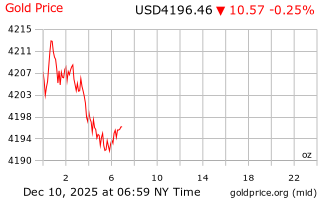
Gráfico: https://goldprice.org/
En el gráfico diario de velas del oro, los precios ponen a prueba repetidamente la franja de 4 170–4 230 $, formando un patrón claro de consolidación en niveles altos.
Entre los aspectos técnicos clave destacan:
- Estructura de tendencia: la línea de tendencia de medio plazo sigue en ascenso, lo que indica que la dirección general se mantiene alcista;
- Soporte principal: 4 170 $ marca el límite inferior de la anterior zona de consolidación y actúa como referencia crítica a corto plazo;
- Resistencia principal: la zona de 4 230–4 250 $ concentra una elevada actividad y resistencia de máximos previos;
- Retroceso de Fibonacci: los precios ponen a prueba de forma recurrente el nivel de retroceso del 61,8 %, que suele marcar la continuidad de la tendencia.
Si el oro logra consolidarse por encima de 4 200 $ y superar los 4 230 $ con mayor volumen, podría reabrirse el recorrido alcista. Por el contrario, una caída por debajo de 4 170 $ acompañada de ventas intensas podría llevar a buscar zonas de soporte inferiores a corto plazo.
En la operativa en tiempo real, los participantes del mercado suelen considerar también:
- Variaciones de volumen
- Patrones de velas (como martillo, envolvente, estrella vespertina, etc.)
para mejorar la precisión en la entrada y la colocación de stop-loss.
Previsiones de precio a corto y medio plazo: análisis de tres escenarios
Escenario optimista
Si la Reserva Federal inicia de forma clara un ciclo de recortes de tipos en los próximos meses y el índice dólar estadounidense se debilita, con flujos globales de refugio que continúan entrando en ETFs de metales preciosos, el oro podría subir aún más y superar con solidez los 4 500 $ por onza, entrando potencialmente en una nueva fase de crecimiento acelerado.
Escenario neutral
Si el ritmo de recortes de tipos fluctúa y las expectativas del mercado se revisan de manera recurrente, el oro podría entrar en una consolidación lateral de rango alto, cotizando entre 3 900 y 4 400 $, a la espera del próximo catalizador macroeconómico.
Escenario pesimista
Si la inflación repunta inesperadamente a corto plazo y el dólar se fortalece de forma temporal, junto con una recuperación de los activos de riesgo que reduzca la demanda de refugio, el oro podría retroceder hacia la zona clave de soporte de 3 800–3 900 $ para una consolidación de medio plazo.
Advertencias de riesgo y guía práctica de trading
Gestión del riesgo
- Establecer stops de pérdidas estrictos para evitar mantener posiciones en periodos de alta volatilidad;
- Limitar el tamaño de las posiciones individuales para prevenir oscilaciones bruscas provocadas por decisiones de tipos y datos de inflación;
- Prestar especial atención a los riesgos derivados de eventos, como decisiones de tipos de la Fed y proyecciones del dot plot, datos de inflación CPI/PCE y conflictos geopolíticos repentinos.
Estrategias prácticas de trading
- Traders a corto plazo: pueden utilizar los niveles de soporte y resistencia del gráfico de velas del oro para operar en rango y gestionar los periodos de tenencia;
- Inversores a medio plazo: deben centrarse en acumular posiciones durante retrocesos, evitando entrar a precios altos;
- Poseedores a largo plazo: pueden aplicar el promedio de coste en dólares para asignar oro como parte de una estrategia de "cobertura contra la inflación y activo refugio" a largo plazo.
Consejos para la asignación de activos
El oro resulta más eficaz como herramienta de diversificación junto a bonos y acciones, en lugar de mantenerlo como una posición concentrada. Este enfoque ayuda a suavizar la volatilidad global de los activos en periodos de creciente incertidumbre macroeconómica.